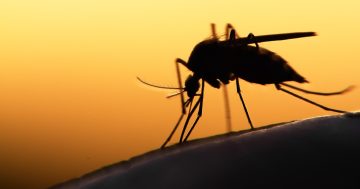

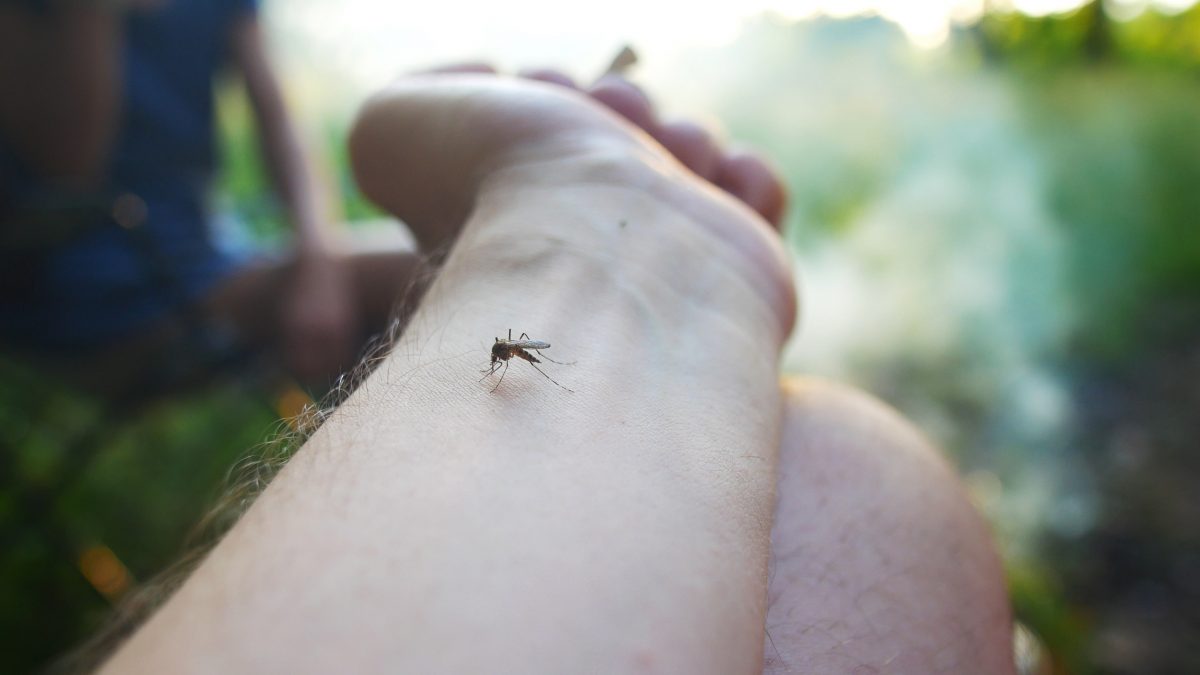
Residents and visitors to high-risk areas in NSW are being urged to take extra measures to avoid mosquito bites. Photo: Envato Elements.
The detection of two mosquito-borne viruses earlier in the season than expected has prompted a warning from health authorities who are urging eligible NSW residents to get vaccinated and everyone to take extra precautions to protect themselves from bites.
The first detection of the Japanese encephalitis (JE) virus in mosquitos for the 2025-26 summer has health experts concerned, with the risk set to increase in coming weeks and months.
“Mosquito numbers will likely increase with warmer weather, and we remind everyone in NSW to protect themselves against mosquito bites, which can cause diseases such as Japanese encephalitis and Murray Valley encephalitis, and infection with Kunjin virus, Ross River virus and Barmah Forest virus,” NSW Health’s Director Health Protection Stephen Conaty said.
There were five cases of JE in NSW throughout the 2024-25 season, which resulted in the loss of two lives.
Most people who are infected with JE don’t have symptoms, but around one in every 250 cases results in a severe infection, which can create neck stiffness, disorientation, tremors, coma, seizures or paralysis.
In the most serious cases it can cause lifelong neurological complications or even be fatal.
Less severe symptoms can include fever, headache or vomitting five to 15 days after being bitten by infected mosquitos.
The 60 local government areas identified as higher risk are Albury, Balranald, Berrigan, Bland, Bogan, Bourke, Brewarrina, Broken Hill, Cabonne, Cootamundra-Gundagai, Cowra, Carrathool, Central Darling, Cobar, Coolamon, Coonamble, Dubbo Regional, Edward River, Federation, Forbes, Gilgandra, Glen Innes Severn, Goulburn Mulwaree, Greater Hume, Griffith, Gunnedah, Gwydir, Hay, Hilltops, Inverell, Junee, Kyogle, Lachlan, Leeton, Lismore, Liverpool Plains, Lockhart, Mid-Western, Moree Plains, Murray River, Murrumbidgee, Orange, Narrabri, Narrandera, Narromine, Parkes, Richmond Valley and Tamworth.
Residents from these areas are urged to get vaccinated now to protect themselves if cases climb.
“There is a safe, effective and free vaccine to protect against Japanese encephalitis (JE),” Dr Conaty said.
“This vaccine is free to anyone who lives or routinely works in these 60 LGAs west of the dividing range and in northern NSW, and for people who work in some other high-risk occupations.”
Those who work, live at or are visiting a piggery, pork abattoir or pork rendering plant are also eligible for the free vaccine as are those who work directly with mosquitos such as environmental health officers and workers or entomologists.
The vaccines are available through general practitioners, Aboriginal health services and pharmacists but can take two to four weeks before they are fully effective.
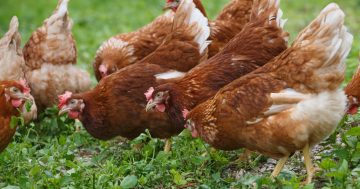
But JE is not the only mosquito-borne virus that has been already detected, with Kunjin virus found in a chicken blood sample in Western NSW last month as part of NSW Health’s routine surveillance.
There are no vaccines or specific treatments for Kunjin virus or the other viruses trasmitted by mosquitos in NSW, so residents and visitors, particularly in at-risk areas, are urged to take extra measures to prevent infection.
To reduce the risk of mosquito bites, community members should avoid going outside during peak mosquito times, especially dawn and dusk, wear light loose fitting long-sleeve shirts, long pants, socks and covered footwear and regularly reapply repellents that contain DEET, picaridin, or oil of lemon eucalyptus.
Check the repellents are safe for children, with most suitable for infants aged three months or older. Those who are younger can be protected by using an infant carrier draped with mosquito netting, secured along the edges.
Insecticide sprays, vapour dispensing units and mosquito coils should also be used, and any items that may collect water such as old tyres and empty pots where mosquitos can breed should be removed.
In homes, doors and windows should be covered in insect screens with no gaps, and while camping use a tent that has fly screens or sleep under a mosquito net.
For more information on the diseases and how to protect yourself visit the NSW Health website.