
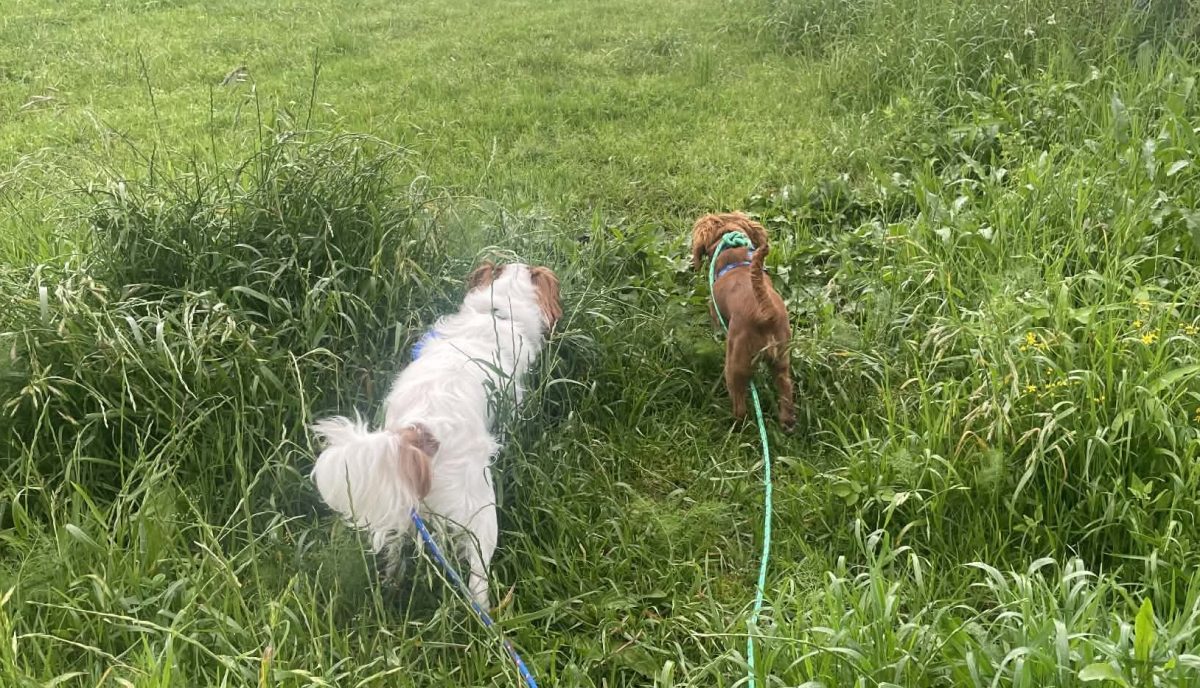
The disease can live on the ground for years after an area has been contaminated by an infected dog. Photo: Keeli Dyson.
Illawarra dog owners are being urged to ensure their pets are up to date with vaccinations and keep an eye out for symptoms, with a cluster of parvovirus cases reported in the region.
A parvovirus outbreak in the Illawarra could increase the risk to unvaccinated or partially vaccinated dogs for years to come, with recent exposures creating a concern for experts.
The highly contagious disease is often fatal for dogs and puppies of any age and is spread directly or indirectly through contact with faecal matter from infected dogs, with the danger remaining high long after an animal has left an area.
“The reason that the virus is so dangerous is because it can live on the ground for months to years after a sick animal has been through there,” RSPCA NSW Veterinary Policy and Projects Officer Kate Drew said.
“Because parvovirus is invisible and can persist on the ground for such a long period of time, when you have vulnerable animals come through an area where there is an infection it can spread really quickly.”
The virus can be transferred on clothes or bedding, with symptoms in pets not appearing for days after contact, making it difficult to trace and avoid.
“Symptoms tend to show up between four and six days after exposure and you might not know you were exposed, or you may adopt a new puppy from a different area over the summer period and that animal may have been exposed before you picked it up so you might see signs after you come home,” Kate said.
“You might have been a lot of places before you realise that your animal is sick.
“Containing your animal to your premises if you are concerned about illness is really important because that helps limit the spread to other dogs in the area.”
Symptoms include vomiting (often with blood), diarrhoea (often with blood), loss of appetite, reduced energy, weakness, dehydration and death.
If contracted, early and intense veterinary treatment is vital with about 91 per cent of infected dogs dying.
“Anyone who is concerned that their pet might be sick should contact their local vet immediately,” Kate said.
“Contact by phone in the first instance is recommended because this is such a contagious disease.
“The RSPCA NSW would recommend you call your local vet and express your concerns and then follow their instructions on how they would like you to bring your animal into the clinic.”
But the dangerous disease is preventable, with vaccinations available to protect your pet.
Puppies or dogs that have been vaccinated for the first time remain at risk until they receive the full primary course of two or three doses and should avoid other dogs or public spaces until they are protected.
“Once an animal has been vaccinated it does take time for the body to build immunity based on that vaccine,” Kate said.
“Around 10 to 14 days after that final vaccination is when it should be providing the protection that an animal needs to be able to go out into the environment.”
Booster vaccines are also required for ongoing protection, with vets able to offer advice on how frequently a specific dog may require the jab.
With the disease in the Illawarra, the importance of vaccination will continue to be vital.
“Because the virus can live in the environment for such a long time, when we have a large number of cases in a particular area that makes it a real risk for animals that are coming in future years,” Kate said.
“So puppies that may be born next year or the year after that haven’t had their complete vaccination course might come into contact with the virus that’s at the park or a public place and that’s going to establish the disease in that area.”
If you have concerns about your pet or want to check their vaccination status call your local vet, and for more information on parvovirus and this outbreak visit the RSPCA NSW website.