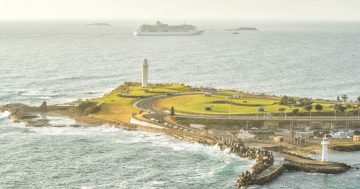

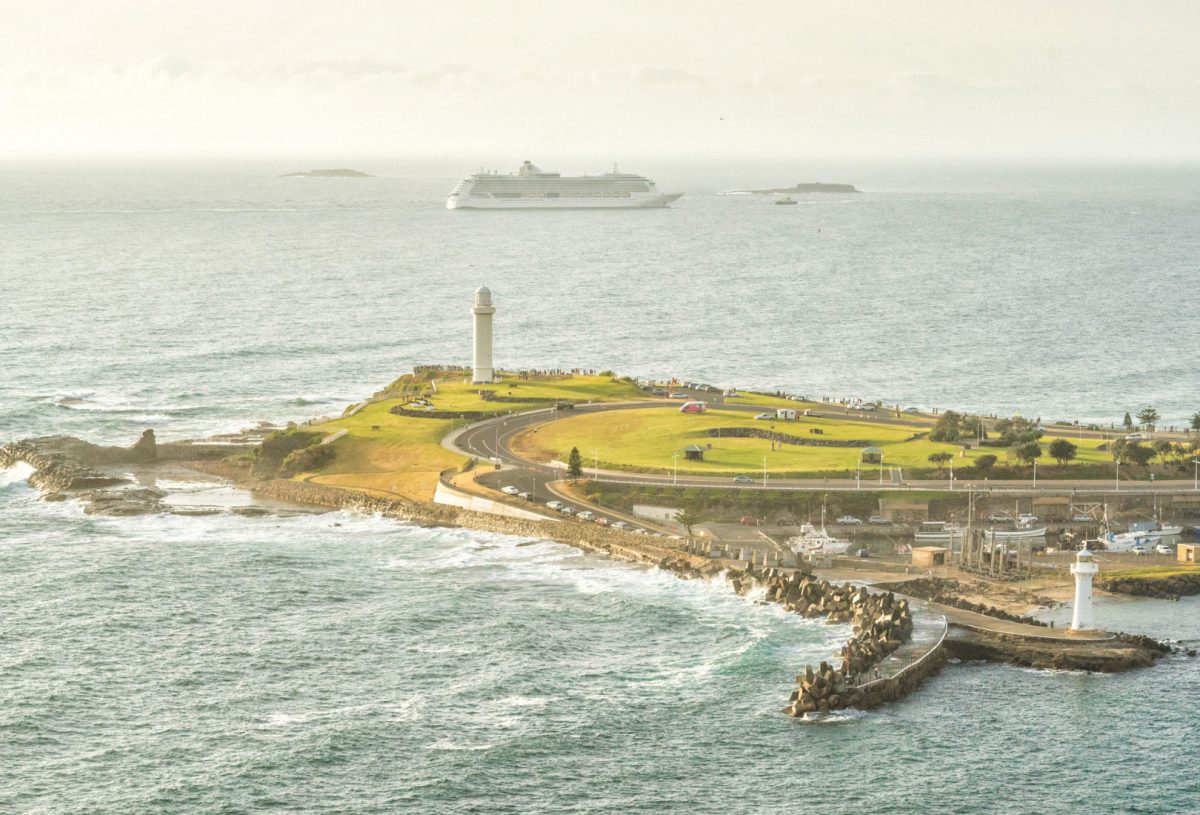
Is a cruise ship terminal at Port Kembla the boost Wollongong’s tourism industry needs? Or is it a bit more complicated? Photo: Wollongong City Council.
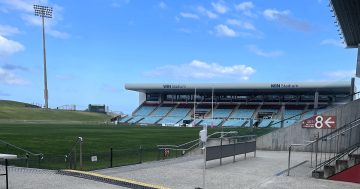
A cruise terminal at Port Kembla, discounted contributions for hotel developers and a revitalised WIN precinct are all in the mix as part of a push to boost Wollongong’s tourism industry.
Over the past several years the city has secured headline events such as cycling and triathlon championships, but without supporting infrastructure in place much of the potential economic benefits for the region leak out to Sydney and surrounding areas.
Currently, the city doesn’t have even one five-star hotel.
Wollongong City Council’s solution as outlined in its latest economic development strategy is to bolster the small-scale industry and try to increase its share of the region’s economic portfolio.
If you’ve been to Batemans Bay in winter you might be skeptical of this approach, especially for a city like Wollongong with established manufacturing and education sectors.
We asked head of economics at the University of Wollongong Professor Alfredo Paloyo whether tourism could deliver benefits to the region, or just line developers’ pockets.
“Any economy that relies significantly on just tourism is very vulnerable to shocks like recession or the COVID pandemic,” Alfredo said.
“The good thing about Wollongong is we have a strong higher education sector, healthcare, BlueScope and all the mining.
“It’s well-positioned to increase focus on tourism because all our eggs aren’t in one basket.
“The council is taking the right approach in diversifying sources of income for the city.
“If they’re successful maybe five per cent of employment will go towards tourism, and that’s in line with what we see nationally.”
Although tourism can be a glamorous industry for customers, the reality for employees is often very different.
Many of the jobs tourism provides are low wage and casual or contract based, such as cleaning, hospitality and reception.
Alfredo said as long as the jobs available in our region remained diverse, that could actually be a strength.
“Tourism can act as an industry that absorbs labour – not everyone wants to get a PhD or work in advanced manufacturing,” Alfredo said.
“It gives opportunities for people who are secondary income earners for their family, or work at the lower end of wage distribution, and can be beneficial in reducing unemployment.
“It does allow for certain roles that will be high income earners too, like hotel managers, and in supporting industries like food supply or dry-cleaning.”
If tourism can provide us with a more diverse economy, more jobs and a boost for established local businesses, what are we waiting for?
Alfredo said there were a couple of roadblocks.
First, Wollongong is predominantly viewed as a day-trip option for Sydneysiders, or a road-trip break, rather than a place to stay.
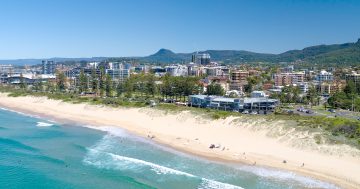
Second, seasonal volatility can be a trap. Our beaches are beautiful, but plenty of places have them, and they don’t draw crowds in winter. Wollongong needs to be able to offer more, year-round.
The final and most significant problem is the lack of accommodation.
“We just don’t have enough hotel rooms to contemplate an industry the size Wollongong City Council is thinking of,” Alfredo said.
“When I run academic conferences, that’s the biggest challenge, finding beds for people, and it must be addressed if we’re serious about developing the tourism sector.
“A game-changer would be cruise ships docking in Port Kembla, but we need activities to greet them and hotel beds for them to stay in.”
When it’s done well, Alfredo said tourism can also increase a region’s attractiveness to investors by showcasing the amenities and infrastructure on offer to businesses and employees based there.
The flow-on benefit is a boost for the local economy and a more liveable city for locals.
It could also help to buffer our economy from turbulence in the transition to net zero.
“There is a lot of potential for Wollongong, and the economic development plan in place is a good one,” he said.
“It could give our city new opportunities – if we can get past the bottleneck of the bed situation.”