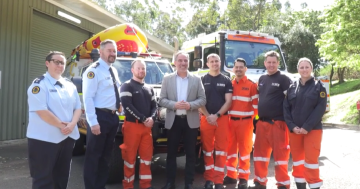

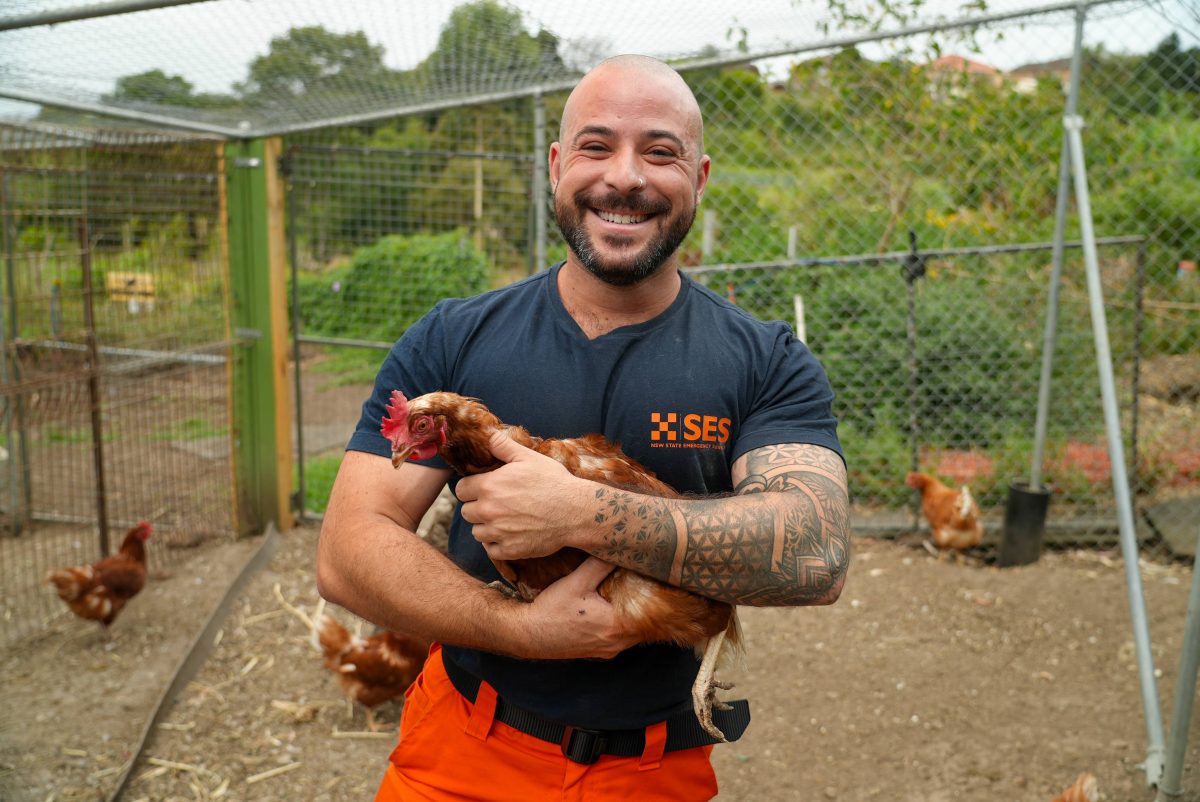
NSW SES animal rescue expert Robert Leach says there are a few things it’s important to get done before disaster strikes. Photo: NSW SES.
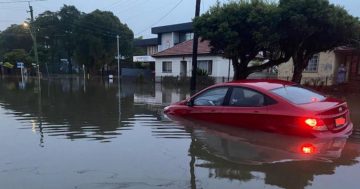
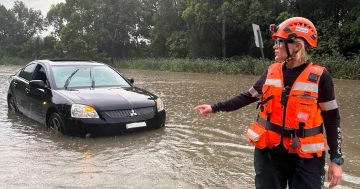
A horse, a goat and several dogs needed to be rescued from floodwaters during the recent severe thunderstorms.
The NSW State Emergency Service has urged residents across the state to include pets and animals in their emergency plans, to make sure all family members stay safe in a crisis.
Storm season runs from September to April, and brings an increased risk of heavy rainfall, strong winds, and flooding.
Many households prepare for these hazards, but animals are often overlooked in emergency plans, putting both pets and owners at risk if disaster strikes.
Experienced animal rescuer and NSW SES volunteer Robert Leach said early preparation was key.
“Severe weather events are becoming more frequent and more intense – we need to be proactive, not reactive,” Mr Leach said.
“We know how deeply people care about their animals, but in an emergency, hesitation can cost lives.
“Planning ahead means you won’t have to choose between your safety and your pets’.
“Simple steps like having a plan, a pre-packed emergency kit and knowing your options can make all the difference when it comes to ensuring the safety of you and your pets.”
NSW SES Senior Operator Dave King ESM is a specialist in large animal rescue.
He said having a clear plan for animals could reduce stress and confusion during emergencies.
“Animals can sense danger and often react unpredictably,” senior operator King said.
“Make plans with your family, friends or colleagues for what you’ll do with your pets during an emergency.
“This will give you multiple, safe relocation options.
“If you’ve already thought through where they’ll go and how you’ll get them there, you’ll be in a much better position to manage the situation calmly.”
To prepare your animals for storm season, identify multiple safe locations where you could relocate them to in an emergency – and make sure anyone included in those plans is aware of them.
Decide how you will transport, identify and shelter your pets and livestock.
Have an emergency kit for your animals, too, including food, medications, collars, leads and vet records.
Make sure your animals are microchipped, registered and wearing up-to-date identification.
NSW SES Assistant Commissioner for Capability and Training Dean Storey said the service continued to lead the animal rescue capability around the state and beyond.
“So far this year, the NSW SES has successfully responded to more than 3500 animal related incidents and has trained more than 550 members in large animal rescue,” Assistant Commissioner Storey said.
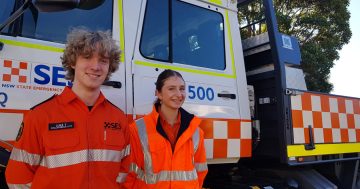
“The NSW SES has a network of dedicated and knowledgeable animal rescue experts across the state.
“These experts are leading the training and development of this capability for emergency service organisations across Australia and New Zealand.”
In an emergency it’s key to act early, especially if animals are involved.
The SES recommends monitoring conditions and acting as quickly as possible on advice and warnings from emergency services.
If you find injured wildlife, contact your local licensed rescue group or use the IFAW Wildlife Rescue app for instant support.
For more tips and resources, visit the NSW SES website.
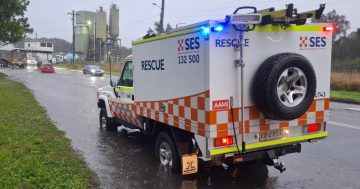
If you need emergency assistance during a storm, call NSW SES on 132 500. For life-threatening situations, dial triple zero (000).