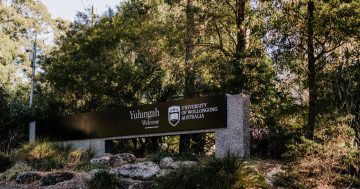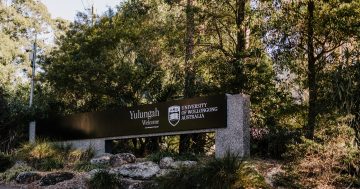

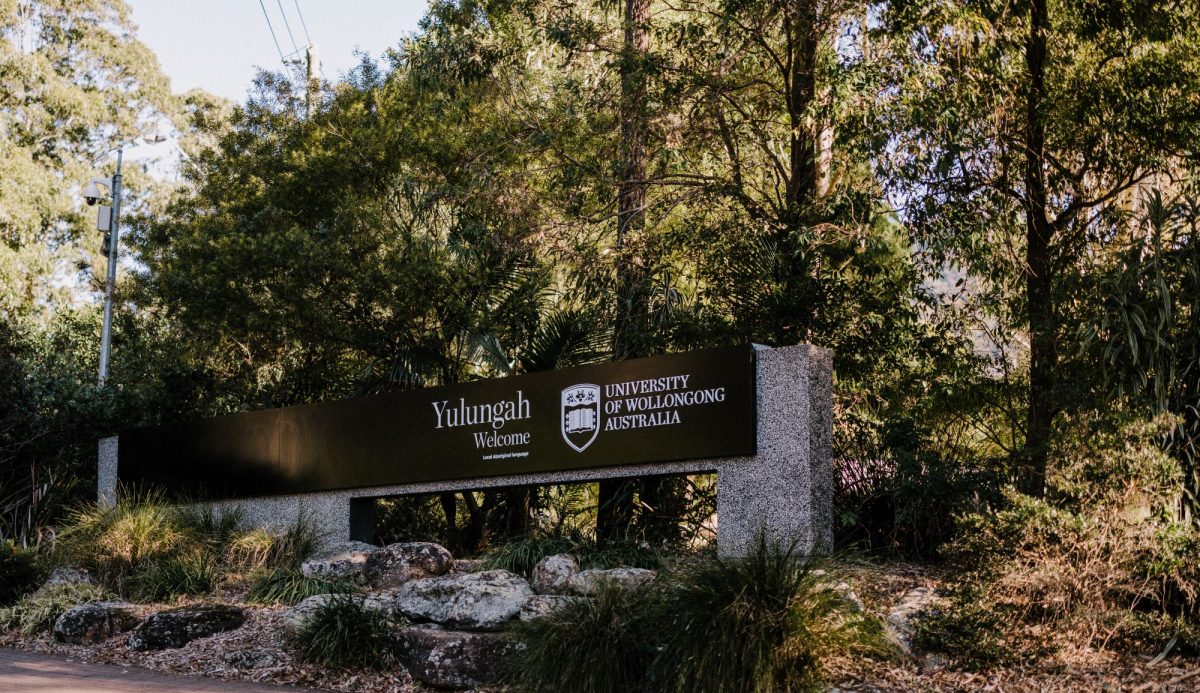
University of Wollongong senior executives were grilled as part of a parliamentary inquiry into the sector. Photo: UOW.
A NSW inquiry into the university sector has revealed some bizarre responses from University of Wollongong senior executives.
A number of executives, staff and union representatives fronted the NSW parliamentary inquiry in late December.
The inquiry’s terms of reference requires the committee to “inquire into and report on the crisis in the NSW university sector”, as raised in a petition of 2619 signatories. It will look into the structure, powers and responsibilities of university councils, governance practices, reporting obligations and how universities engage in commercial activities.
The full transcript of the UOW sessions is now on the NSW Parliament website and includes some explosive allegations about the funding of international UOW campuses, conflicts of interest, transparency in recruitment and spending by the executive.
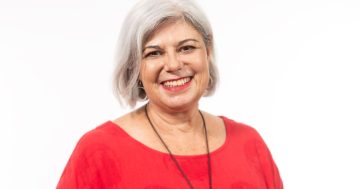
Executives including Chancellor Michael Still and CEO of UOW Global Enterprises Marisa Mastroianni were grilled about a number of allegations made by whistleblowers and former staff about how the university was run.
When the committee asked Ms Mastrioanni what her salary was, she asked to take the question “on notice”.
Asked to give a ballpark figure of her salary, Ms Mastrioanni asked again to take the question on notice, eventually admitting she made “in the ballpark” of $600,000.
She initially told the committee overseas campuses were self-sustaining and self-funded, with dividends being returned to the main Wollongong campus.
Later, she said the revenue from overseas campuses was used to fund new overseas campuses, that the UOW campus in India was not cash-positive and was being run as a direct branch of the Australian UOW.
Ms Mastrioanni was unclear on how much of the profits were returned to UOW as dividends and how it was determined what can be used for new startup campuses.
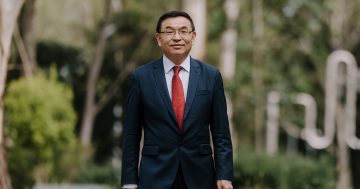
When Chancellor Michael Still was asked how he came to be in the role – as he has no background in higher education or connection to the Illawarra – he said he was first approached by David Gonski.
Mr Gonski, a former chancellor of University of NSW and a UOW Honorary Doctor of Laws, asked Mr Still if he would be interested in the unpaid role.
However, Mr Still denied Mr Gonski was part of the recruitment panel that hired him.
NSW Legislative Council member Anthony D’Adam asked Mr Still who was on the interview panel.
“Warwick Shanks, Robert Ryan and, at the end of the table, quite separate from the other two, was David Gonski for a period of the interview,” Mr Still said.
The Chair of the inquiry reminded Mr Still he had said he did not know if Mr Gonski was part of the recruitment panel and he insisted that was correct.
Questioned further about his appointment as chancellor, Mr Still said he did not see any issue with his lack of experience in higher education, or connections to the Illawarra.
“What kind of recruitment process leads to someone from finance being appointed to one of the leadership positions in a higher education institution?” Mr D’Adam asked.
“Why not? It could have come from anywhere. I could have been anything,” Mr Still replied.
Mr Still was also questioned about how a discretionary sum of $2 million, disbursed to the finance and infrastructure committee which he also headed up, was spent.
NSW Legislative Council member Abigail Boyd asked Mr Still to confirm the signatures required to spend the money were from the chancellor, himself, and the chair of the finance and infrastructure committee, also himself.
Mr Still confirmed this was the case, but said there were two other people who also had the power to sign off on spending.
Only signatures from two of the identified roles were required for spending to be approved.
The Chair of the inquiry said they would have a number of additional questions for the executive. The inquiry into the sector is ongoing.