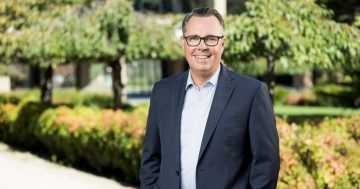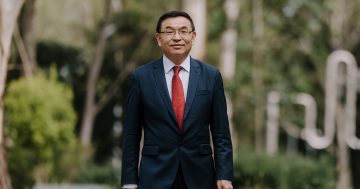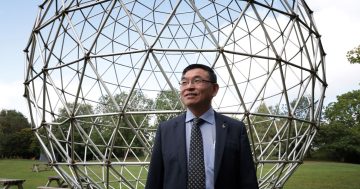

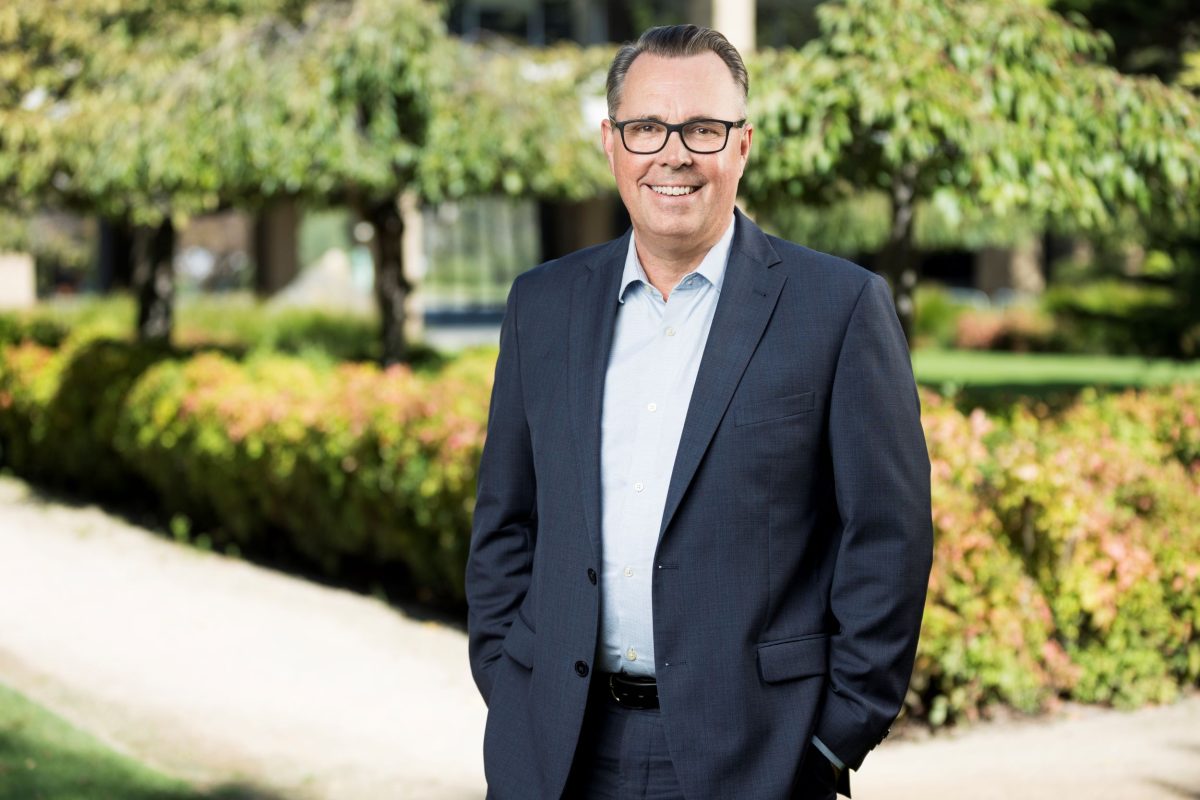
Former UOW interim Vice-Chancellor John Dewar was held in “high regard” by Chancellor Michael Still. Photo: UOW.
University of Wollongong Chancellor Michael Still has come under fire at a NSW Government inquiry over his appointment of former interim vice-chancellor John Dewar.
Mr Dewar is a business partner at KordaMentha, a business consultancy firm later appointed to conduct operational reviews of the university.
The firm was paid $3 million for the service, which led to more than 100 job cuts.
The inquiry’s terms of reference requires the committee to “inquire into and report on the crisis in the NSW university sector” and is looking into the structure, powers and responsibilities of university councils, governance practices, reporting obligations and how universities engage in commercial activities.
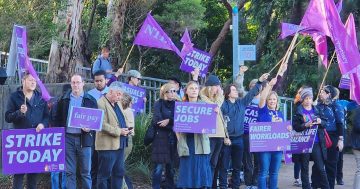
Former head of school at the university, Professor Fiona Probyn-Rapsey took a voluntary redundancy when her position was disestablished as part of the cuts.
She told the NSW Government inquiry there were concerns of a conflict of interest regarding Mr Dewar’s relationship with KordaMentha.
“In 2024 a newly installed chancellor, Michael Still, took on what looked like operational and executive powers that are usually held by a VC,” Prof Probyn-Rapsey told the inquiry.
“One VC [Professor Patricia Davidson] suddenly departs, and instead of appointing a permanent replacement, university council appoints an interim VC, John Dewar.
“[He] happens to be a business partner at the consultancy firm KordaMentha, which is then also given a contract to conduct operational reviews, leading to job cuts and restructures.
“KordaMentha seems to have made $3 million from this arrangement.”
Mr Dewar remained a business partner at KordaMentha while he held the position of interim vice-chancellor.
The committee chair asked Mr Still if he maintained Mr Dewar had no working relationship with KordaMentha while he was interim vice-chancellor, despite suggestions Mr Dewar’s nine-day-fortnight contract with the university gave him a day to engage with KordaMentha.
“He possibly used that one day a fortnight to keep in touch with people that he would go back to KordaMentha with,” Mr Still said.
“We knew he was going to go back, but he had no working relationship with KordaMentha.”
The committee put it to Mr Still that Mr Dewar still benefitted from the $3 million contract KordaMentha had secured with the university.
“Possibly, I don’t know,” Mr Still said.
He told the committee there was no direct conflict, and a strict tender process was in place for the consultancy appointment, so he had no responsibility to investigate further.
The committee put it to Mr Still that to the public the sequence of events looked dubious.
“That’s why there was such a strict process in addressing both the consultancy tender and the appointment of John Dewar,” Mr Still said.
The chair of the committee disagreed.
“With the greatest of respect, Mr Still, it doesn’t seem particularly strict,” she said.
Mr Still was also questioned about whether Mr Dewar was appointed to the interim position to impose a particular view of how the university should be run.
The committee pointed to similarities between the approaches of Mr Dewar and KordaMentha; the committee said both had a “slash-and-burn” mentality.
“I think ‘slash and burn’ would be to mischaracterise,” Mr Still said.
“He saw a need for certain people to leave the organisation, and some resigned and some he may have moved on.”
Asked whether he had directed Mr Dewar to move on specific personnel, Mr Still said he could not recall any conversations about particular people.
Mr Still said he agreed with Mr Dewar’s actions, but denied he had any influence over the decisions.
The committee asked why Mr Dewar was appointed as interim vice-chancellor, rather than the university appointing an acting vice-chancellor until a permanent replacement for Professor Davidson could be found.
He said an acting person “wasn’t going to work”, and it could take many months to recruit a permanent vice-chancellor.
Committee chair Sarah Kaine expressed her surprise that Mr Still had made no efforts to identify a replacement for Prof Davidson ahead of her resignation, given Mr Still said he and Prof Davidson had “many” conversations about her resignation ahead of time.
Committee member Abigail Boyd said she was surprised at the amount of power given to Mr Dewar.
“You’d appointed somebody knowing they were only going to be there for eight or nine months,” she said.
“[This person] is then making these massive changes to the running of the university and then leaving for a new person to come in, and it has cost the university millions of dollars to do that.
“At no point did you think we might get another vice-chancellor who wants to do things differently and who’s actually going to be permanent?”
Mr Still said Mr Dewar was allowed to make such sweeping changes due to his experience and the “high regard” he was held in.
“He understood quickly what needed to happen,” Mr Still said.
“He would know how a university needed to run. He said it was not running like any university should run, and council gave him the authority to set it up in a way which was consistent with a proper running of the university.”
Asked what connection Mr Dewar had to the Illawarra before his appointment, Mr Still said there was none that he knew of.
The full transcript of the UOW sessions is now on the NSW Parliament website. This is the third in a series of articles about UOW’s evidence to the inquiry.
The inquiry continues. The next hearing will take place in Sydney on 18 February.