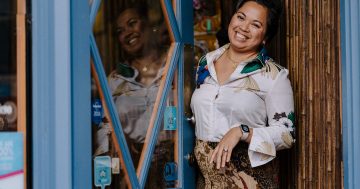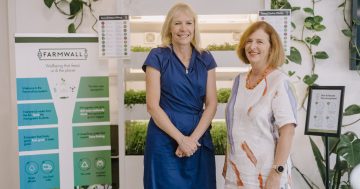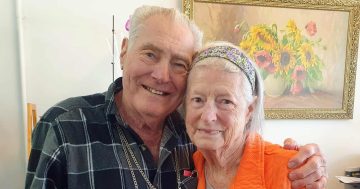

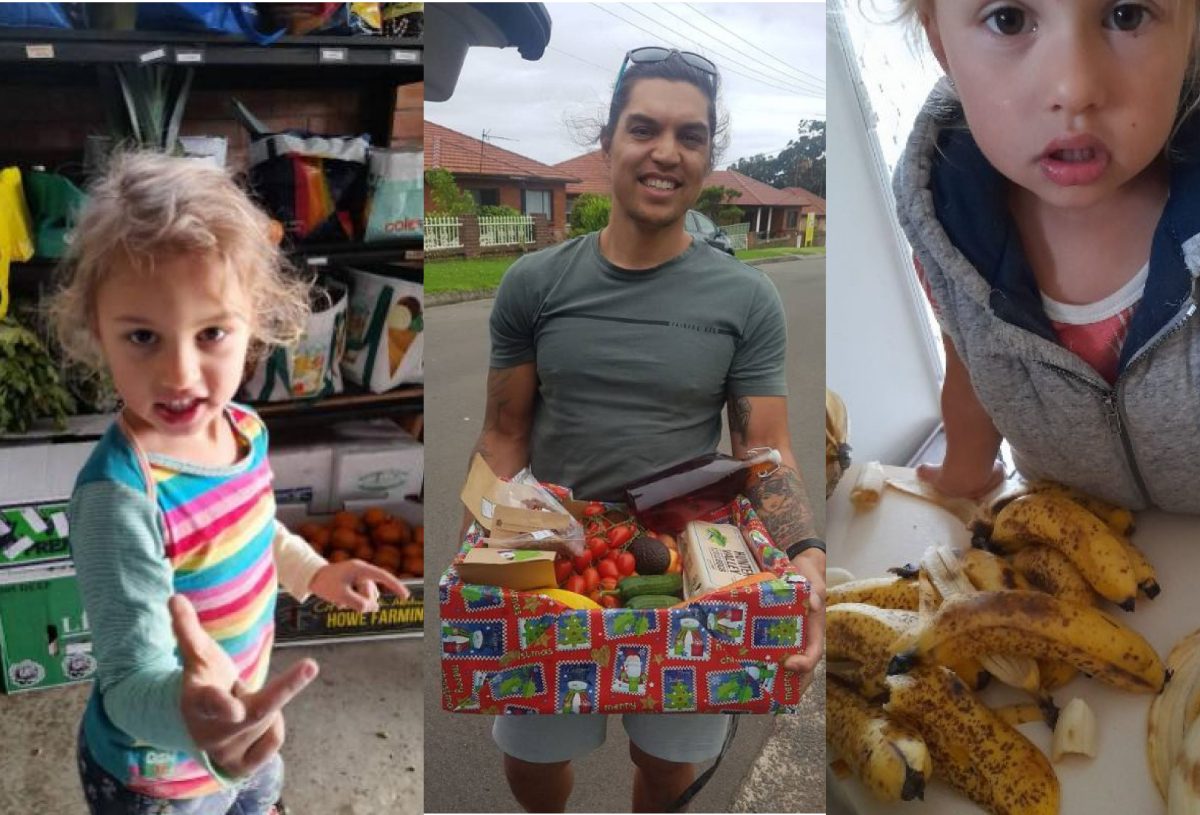
Having her whole family involved in supporting the community through Box Divvy has been important to Philippa. Photo: Supplied.
When the COVID lockdowns hit in 2020, Shellharbour couple Philippa Robinson and Josh Rogers saw their carefully built life unravel almost overnight.
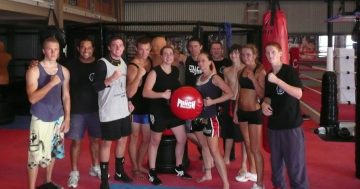
The pair, who met through CrossFit competitions and later opened their own gym, had spent years building a fitness community grounded in hard work, health and connection.
“We’ve always been a ridiculously sporty family,” Philippa said.
“When I found out you could go to the gym and do CrossFit and there were competitions, so you’re not really training alone but rather as a team, I was like ‘yes.’”
Their gym was an extension of that — a place where people trained together, coached each other and, importantly, didn’t have to choose sides.
Coaches and members moved freely between gyms; community mattered more than branding.
Then, four years into the gym and with two young children, the COVID-19 pandemic arrived.
“We closed the gym on a Monday because we knew everything was going to lock down,” Philippa said.
“Everything locked down on Tuesday. By Wednesday, we were at home with nothing. We had no income and the grandparents were supporting us.”
That’s when a half-forgotten idea resurfaced — and changed everything.
Before the pandemic, one of the members at their gym had shown Philippa a post about Box Divvy, a social enterprise that connects households with fresh produce and pantry goods through local “hubs” run from people’s homes.
“She said, ‘This would be really cool. What do you think?’” Philippa said.
“I registered my interest, but there was nothing down our way yet … and I just kind of forgot about it.”
Months later, in the first week of lockdown, Philippa’s phone rang.
“They called me on the Wednesday,” she said.
“And I remember thinking, I am so free.”
Within days, a truck arrived at their Barrack Heights home.
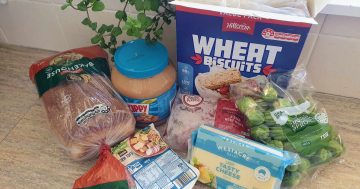
Pallets of fruit and vegetables were unloaded into the driveway. Tables and shelves were set up. And Philippa began packing boxes for strangers who soon became friends and neighbours.
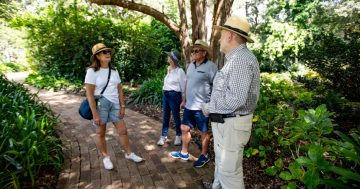
“It’s nice getting back to neighbours chatting with each other,” she said.
“I’ve got a neighbour who’s not in the hub, but I’ll give him some extra fruit and veg every now and then because he’s got a mate that’s got a farm and he brings us bones for the dog, so then if I’ve got extra tomatoes and onions, I’ll make a chutney for him.
“We just keep sharing.”
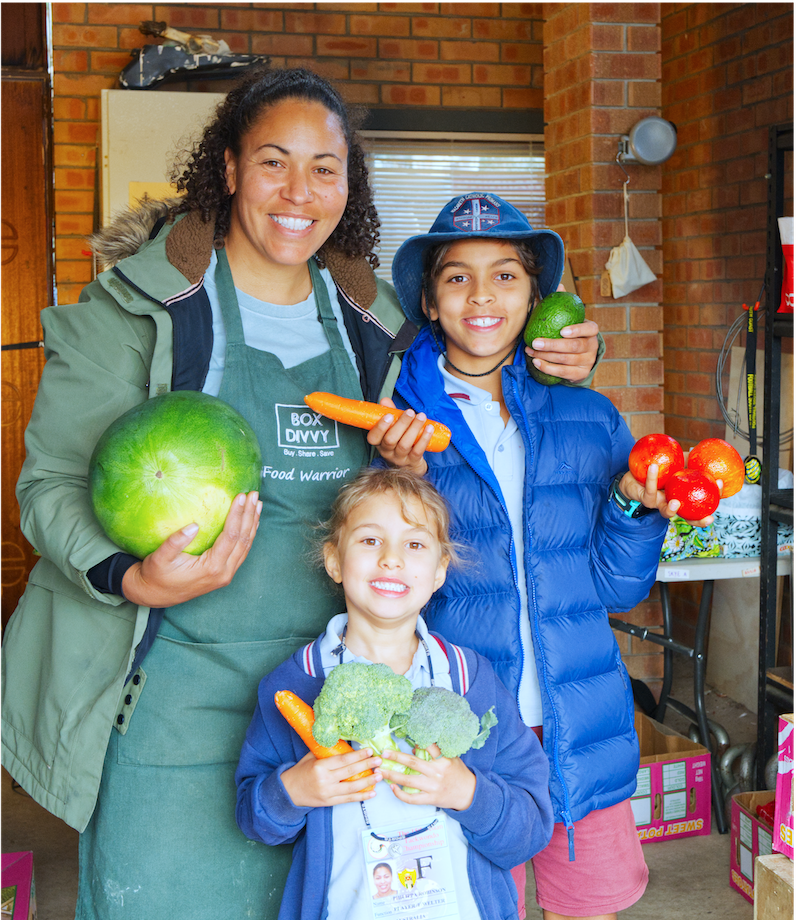
Philippa Robinson and her children packing orders. Photo: Supplied.
She spent weeks working her way down the street delivering boxes of fruit and veg: “One, to say hi. Two, to say thank you and explain why there’s so many cars in the street on a Wednesday”.
It was also a way to check in on one another during the pandemic.
What started as a way to pay for groceries and kids’ sport during a crisis has since grown into two local food hubs, serving about 75 to 80 orders a week, and close to 100 households across Shellharbour.
On delivery day, a truck arrives at her house with boxes of food. She sorts and packs each order by hand before locals arrive to pick up their bags.
For many, it’s as much a weekly ritual as a shopping trip.
If the hub were just about food, it would still be a neat story of pandemic resilience.
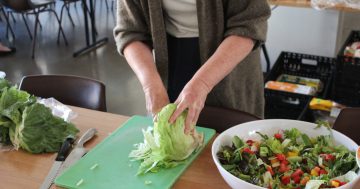
But Philippa’s version has grown into something more deliberate — a kind of grassroots community building, done one orange and one conversation at a time.
Each week, once the paid orders are packed, there are extras — those extras mean people often get a few additional apples, carrots, cucumbers or bananas in their order.
From there, the surplus becomes a kind of informal social support system.
“I give a little box of extras to Warilla Public School, and they add it to their breakfast club for the week,” she said.
She said through a connection with a woman who works at Lake Illawarra High School, leftover fruit and vegetables go to the school’s wellbeing team, which prepares care boxes for about 16 families.
These are combined with donations from OzHarvest, Coles and Bakers Delight.
“I’ve got some members that have said to me from the start, just put my extras in the donation box,” she said.
“Some members every now and then will say, ‘I’ve bought a carton of eggs. Can you put them in the donation box?’.
“Pretty much every week, something is being given away.”
She said it meant a food hub became a benefit to its local community, not just its customers.
Losing the gym was painful. Philippa still misses that space and the people who gathered there.
“It was sad to see the gym close and lose that community,” she said.
“There’s still a few people that you bump into, or maybe you see regularly, but it’s a phase that’s gone.
“The hub kind of replaced that.”