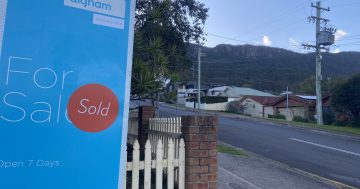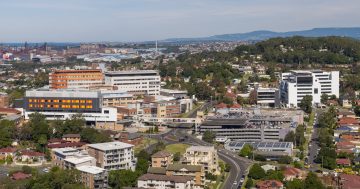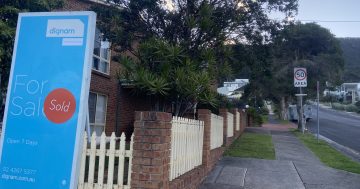


Dapto was among the Illawarra suburbs with exceptional value growth in January. Photo: Jen White.
The first rate rise in two years is unlikely to materially impact property demand as the market faces continued supply headwinds, experts say.
Cotality’s January Home Value Index saw housing values up 0.8 per cent for the month, a subtle acceleration from the 0.6 per cent increase recorded in December, despite affordability strain.
Regional areas saw stronger growth still, the Illawarra being no exception, with dwelling values in an area defined by the Australian Bureau of Statistics (ABS) covering Dapto, Port Kembla and some surrounding localities rising by 1.1 per cent in January.
“That’s quite strong growth, especially compared with the relatively modest growth in Sydney of 0.2 per cent,” Cotality Australia’s Head of Research Gerard Burg said.
While the ABS-defined Unanderra-Mount Kembla area saw a rise in unit prices of 1.4 per cent, fitting a narrative that more affordable markets are leading the charge.
However, Cotality data indicates many of the region’s more prestigious suburbs also saw strong growth, including Cordeaux Heights.
“Even though the median house value there is $1.2 million, we saw house prices rise 1.6 per cent month on month,” Mr Burg said. “That bumps against the trend we’ve seen at a national level, where more affordable properties have been showing stronger price growth. It’s an interesting outlier.”
At the other end of the scale, the region recorded a few falls in the unit sector. East Corrimal units, despite being relatively affordable, fell 1.1 per cent in January, and Shellharbour fell 0.9 per cent.
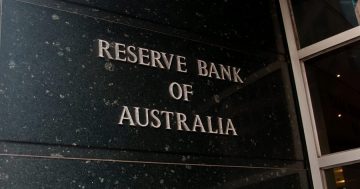
Despite the growth, many are contemplating the future of the market given the RBA lifted interest rates by 25 basis points after its first meeting of 2026 yesterday (Tuesday 3 February). The RBA also left the door open to future rate rises in the coming months.
But Mr Burg said while those looking to buy might need to consider increases to repayments and reductions in borrowing capacity, sellers could defer any panic for now.
“When we crunch the numbers today by 25 basis points, that reduces the borrowing capacity of a median-income household by about $18,000. For an average new mortgage, you’re looking at an increase in repayments of about $110 per month,” he said.
“The reality is a single rate rise in isolation isn’t going to do too much fundamentally to the market. There are still a lot of incentives for first-home buyers, good demand and prevailing supply pressures. Listing numbers are down across the country.
“Yes, it looks like rates are heading in one direction — higher. That will trim demand a little, but it’s liable to remain a very tight market.”
Furthermore, the Illawarra could continue to capture overflow as price pressures continue to drive buyers further south.
“The broader trend is that when you have a market so close to places like Sydney, where affordability has been pushed to the absolute limit, people working in those places will continue to look at alternatives at a close commutable distance away,” Mr Burg said. “The Illawarra is one of those places where people pushing further out might spill into.”