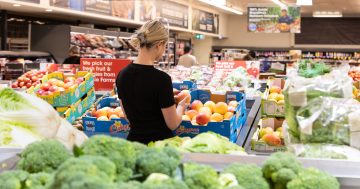
NSW Environment Minister Penny Sharpe and Kiama MP Katelin McInerney revealed the plan to phase out plastics and reduce pollution. Photo: NSW Environment Minister.
The release of helium balloons will be banned in NSW this year with other problematic plastics to be phased out by 2030 as part of a statewide crackdown, after a new report revealed the extent of microplastic contamination in our waterways, with the Illawarra recording some of the highest levels.
Heavyweight plastic bags, soy sauce fish and balloon ties and sticks will soon be a thing of the past as the state shifts to plastic-free practices to better protect the environment.
“Plastic breaks down into microplastic. Microplastics are entering our bodies and polluting our environment and oceans, killing our wildlife,” NSW Environment Minister Penny Sharpe said.
“Consumers want to do the right thing and use less plastic. This will help make the right choice the easy choice.”
The five-year plan begins with a ban of the release of lighter-than-air balloons and the commencement of trials for reusable cup systems in NSW Government premises, with 2027 to see regulations implemented to phase out the supply of items such as plastic bags with handles, plastic umbrella bags, bread tags, balloon sticks and ties, loose-fill packaging made from expanded or foamed plastic and food supply items made from the same material.
Regulations around reusable plastic cups, food and vegetable containers and even fruit and vegetable stickers will come into effect in the following years.
“We will work closely with industry, small businesses, manufacturers, retailers and councils to support a smooth transition to less plastic and safer recycling alternatives,” Minister Sharpe said.
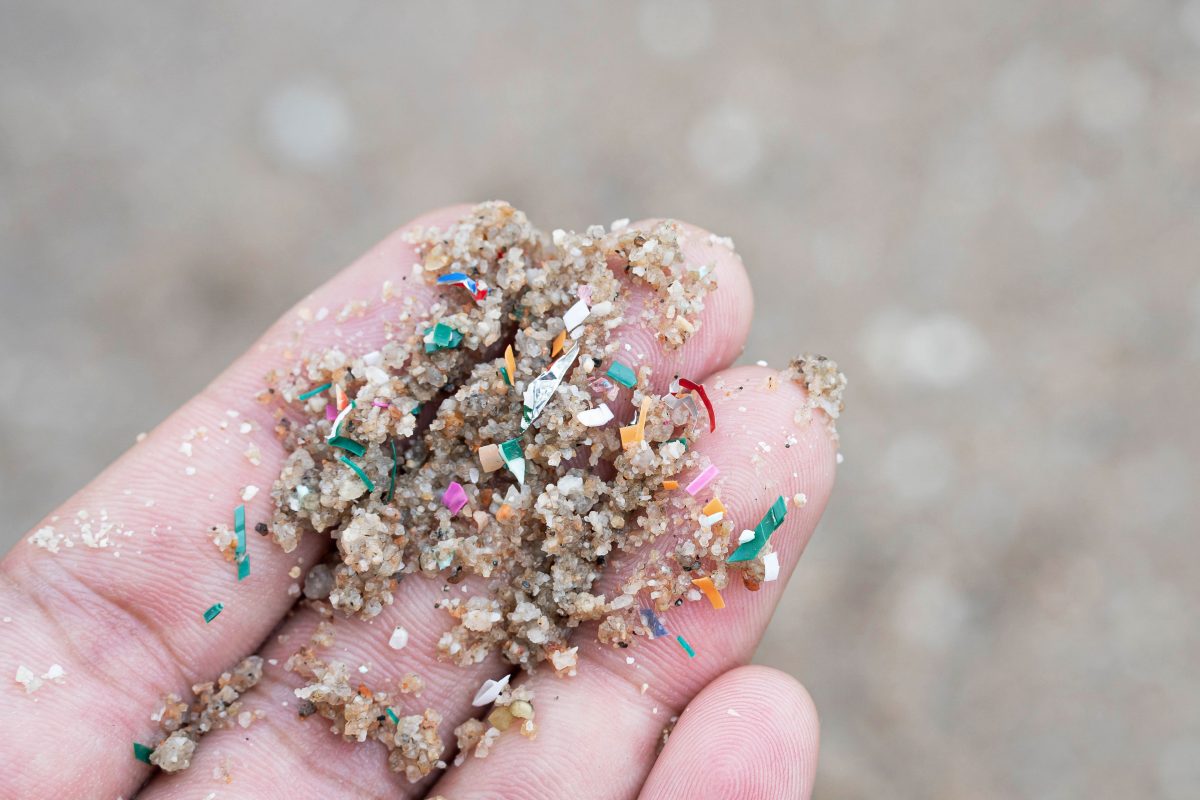
Microplastics were detected in all assessed waterways, will Illawarra’s among the most contaminated. Photo: deeangelo60141735.
The steps to phase out items and practices that increase plastic pollution come alongside a report on the impact microplastics are already having on the state’s waterways.
Of the 130 sites assessed, 23 were considered in the highest category of contamination (E), where there was a very high concentration of microplastic of more than 1.3 MP/m³; or the equivalent of 3250 microplastics in an Olympic-sized swimming pool.
Towradgi Creek, Fairy Creek and the popular Minnamurra River were all identified as being among the most heavily contaminated.
With Werri Lagoon and Crooked River also reporting high levels of contamination, research suggested that the development and urbanised environment of Kiama were leading to increased microplastics.

Three waterways in Kiama were declared to have the highest level of contamination. Image: EPA.
With these waterways key attractions and beloved areas in the coastal community, action is crucial for their preservation.
“Kiama has always had some incredible, forward-thinking advocates when it comes to fighting plastic waste,” Kiama MP Katelin McInerney said.
“I’m proud to be part of a government that is stepping up to the waste challenge our state faces.
“I would really encourage businesses to seek advice if they aren’t sure about what single-use plastic is OK.”
Kiama Council is in the process of developing a coastal management program specifically for estuaries after having already created one for open coastline and is using gross pollutant traps in 19 locations across the LGA.
While Kiama Mayor Cameron McDonald welcomed the state’s plan, he urged the community to also take steps to reduce plastic pollution.
“We love our waterways here on the coast and we encourage local residents and businesses to do their part to ensure plastic use is minimised and that all plastics are disposed of correctly,” Mayor McDonald said.
“Kiama Council is committed to helping the NSW Government in implementing the NSW Plastic Plan so that microplastics don’t pollute our natural environment, to protect our community and our wildlife.”
The full microplastics contamination report data and plastics plan is available on the EPA website.