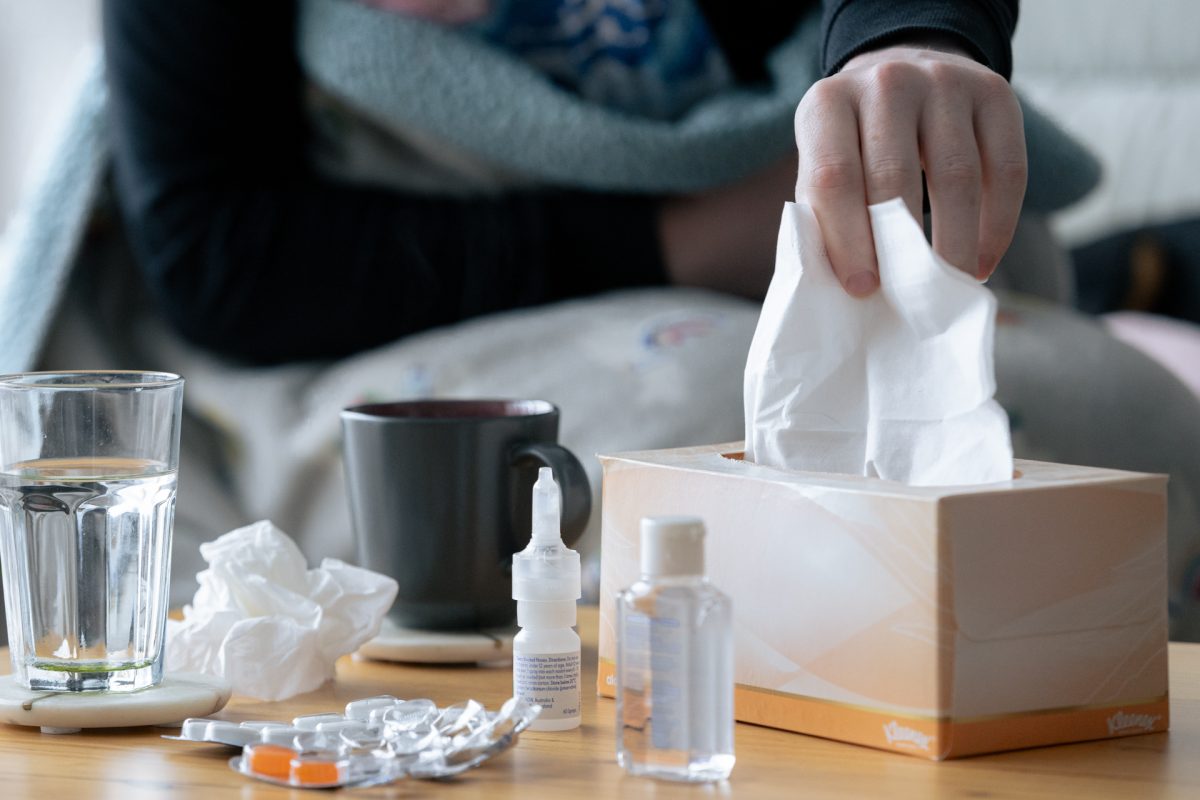
It’s not too late to get a flu vaccine, as cases surge in the Illawarra and Shoalhaven. Photo: Michelle Kroll.
Winter may be over but the flu season is still well and truly here, with cases spiking in the Illawarra and Shoalhaven.
The latest NSW Respiratory Surveillance Report shows influenza activity has increased across the Illawarra Shoalhaven Local Health District (ISLHD), with a total of 456 confirmed cases in the week ending 5 September.
From 1 to 31 August, there were more than 1300 confirmed cases of influenza in the region, almost three times the 457 cases recorded in July.
ISLHD public health medicine specialist Bart Willems said although many people associated the flu season with early winter, current data shows a spike in influenza, with more than 7000 confirmed cases across the state in the week ending 5 September.
“Many people may think they’ve missed the opportunity to get vaccinated, but it is not too late,” Dr Willems said.
“Vaccination remains the best protection against serious illness, hospitalisation and complications from influenza.”
Influenza is a highly contagious respiratory illness that spreads easily through coughing, sneezing and close contact with others. Symptoms can include fever, chills, cough, sore throat, muscle aches, fatigue and headaches.
While most people recover at home, influenza can cause severe illness and complications, particularly in young children, older people, pregnant women and those with underlying health conditions.
Dr Willems said recent surveillance reports showed increasing influenza activity across NSW, with rising ISLHD emergency department presentations highlighting the ongoing impact of the virus on individuals and health services.
“As we head into spring, we’re encouraging people not to become complacent,” he said.
“Influenza continues to circulate in our community and can spread quickly through households, workplaces, schools and other settings.”
Dr Willems said there were simple steps people could take to help reduce the spread of respiratory illness and keep themselves and their families safe, including:
- stay up to date with vaccinations
- wash or sanitise hands regularly
- stay home when unwell where possible
- wear a mask if experiencing respiratory symptoms or visiting healthcare settings.
Free influenza vaccine is available for children aged six months to under five years; pregnant women; Aboriginal people aged six months and over; people aged 65 years and over and people with certain medical conditions.
Book your influenza vaccine today with your doctor, pharmacy, Aboriginal Medical Service or find your nearest provider at HealthDirect.
People experiencing severe symptoms should seek urgent medical attention. For life-threatening emergencies, always call triple zero.