
Alexia Paglia’s best-selling children’s book is helping teach children about heart health, but their parents still have a lot to learn too. Photo: Alexia Paglia.
A Wollongong medical student and author is helping our youngest community members start conversations about heart health early.
It’s never too early to begin talking about heart health, and University of Wollongong student Alexia Paglia is helping parents and teachers to find the avenue to start the conversation.
Adults, too, are being urged to learn more about an often overlooked lifestyle factor potentially putting themselves at greater risk of a cardiac event.
“Healthy habits around movement, food, emotional regulation and self care come from really early stages in life and the studies have proven that when we adopt positive health behaviours early in life they’re more likely to carry on into adulthood,” Alexia said.
“And I think if we do wait until adulthood to talk about heart disease we’ve already missed decades of really significant opportunity.”
The 26-year-old author is passionate about improving health literacy from a young age, to help people better understand health information throughout their life and make more informed choices.
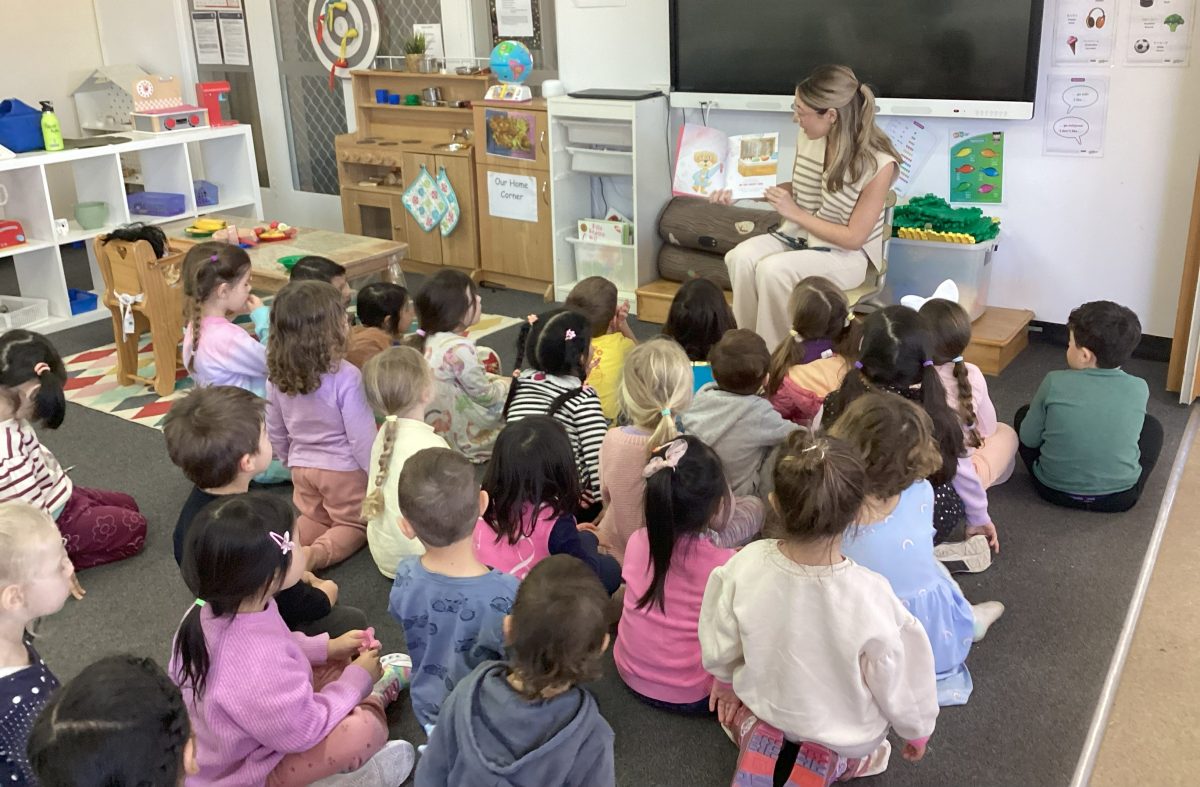
Through her best-selling children’s book My Strong Heart and engaging with schools and preschools she has seen just how receptive the next generation are to learning about the issue and sharing it with others.
“The kids are so eager to channel that innate sense of curiosity that they have towards the sciences and their own bodies,” Alexia said.
“You can see that they feel empowered to learn and they love sharing with each other and often say to me, ‘I can’t wait to go home and talk to Mum about what I’ve learned.’”
Passing on lessons within the family could be crucial, with a common part of many adults’ everyday life potentially a secret killer.
“Stress has really become a silent epidemic of modern life,” Heart Research Australia CEO Nicci Dent said.
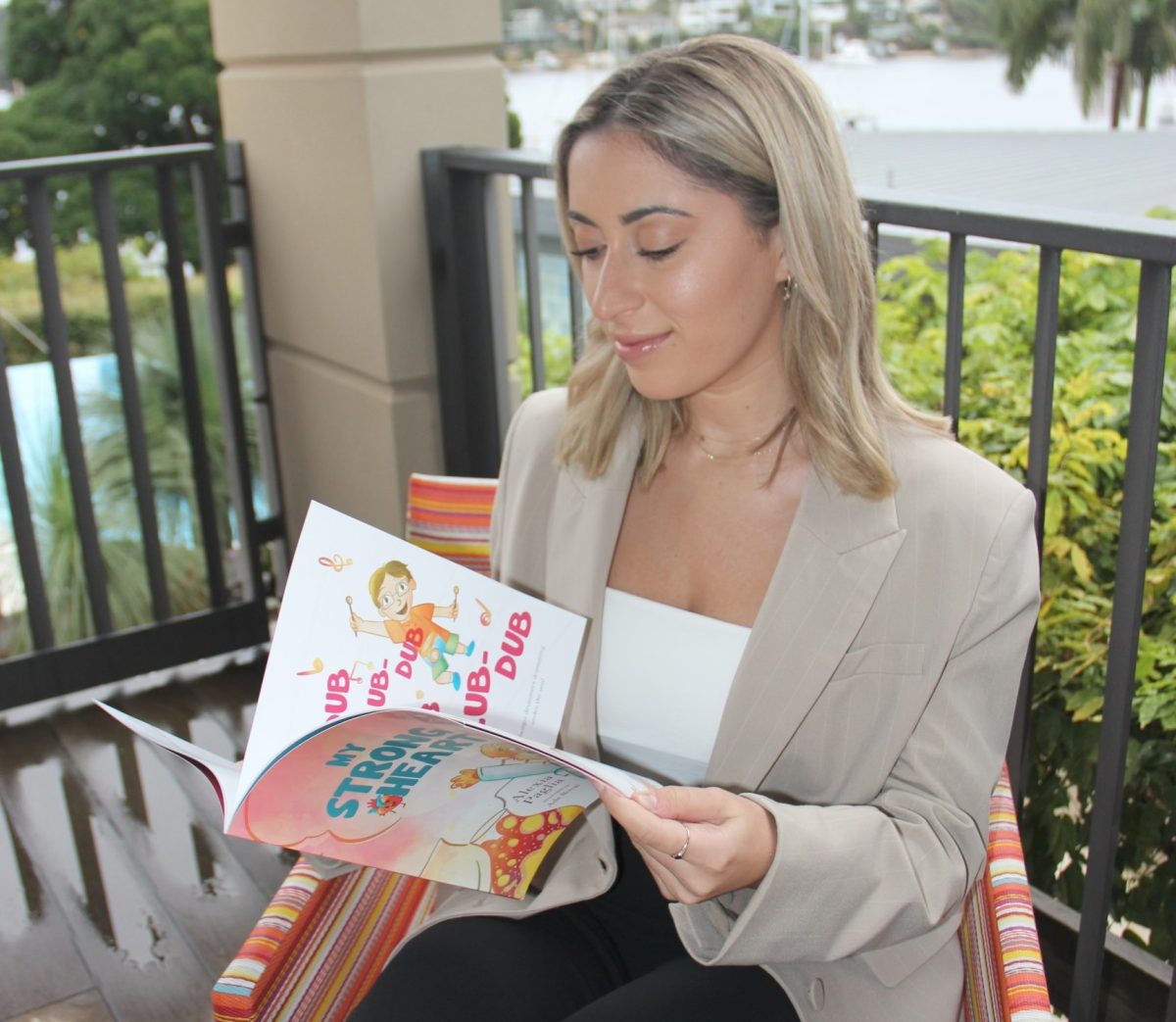
My Strong Heart is helping create positive habits early in a fun and interactive way.
“When you’re under stress your body releases stress hormones like adrenaline and cortisol and those trigger your fight or flight responses, so your heart beats faster, blood vessels narrow and blood pressure rises and that prepares your body for action.
“Chronic stress which is defined as persistent stress, doesn’t just affect the mind, it is quietly affecting our heart and that is increasing the risk of heart disease, heart attack and sudden cardiac events.”
The increased risk of heart disease caused by chronic stress and depression are comparable to that of smoking, and greater than diabetes and high blood pressure.
“We’re all taught to be resilient and push through and get on with it and it’s probably only more recent research that understands the implications stress has on our body,” Nicci said.
“We’re living in a culture at the moment where stress is almost glamourised and burn out is almost marketed as something that we all should strive to achieve, but in reality stress has detrimental effects on the body and our cardiovascular health,” Alexia said.
“Focusing on children specifically, we forget that stress affects children too, they feel pressure at school, in social settings, at home, so I think learning to recognise their emotions, slow down and reset stress early is very protective across the lifespan.”
Simple steps to improve your mental health and wellbeing could make a significant impact on your risk.
“There’s a few things that you can do to reset, things like deep breathing exercises have been shown to help with your mind and also high blood pressure, things like journaling, just writing down what’s going on and how you’re feeling about that, yoga, or even simply pausing to notice how you feel,” Nicci said.
“Connection with others can be really helpful like a hug, a laugh, sharing a meal, volunteering and spending time with friends and family. These things can lift our spirits and reduce our stress levels.
“Just an hour outdoors can cut stress and hormone levels and reduce blood pressure – a hug, a laugh, a walk in the park, they’re not luxuries, they’re medicine for the heart.”
Heart Research Australia is helping to jumpstart new habits through a free bingo challenge as part of its REDFEB campaign, where participants tick off items such as eating five colours of fresh produce in a day, listening to music that makes you move or doing an act of kindness.
“It’s not about another tough challenge, it’s about ticking off small surprising things across the four M’s of heart health – so that’s meals, movement, measurement and mental attitude,” Nicci said.
With fundraising for vital research another key component of the annual February campaign, Alexia is donating a portion of sales from her book to the foundation throughout the month.
Alexia’s book My Strong Heart is available for purchase on Amazon and more information on REDFEB can be found on the Heart Research Australia website.