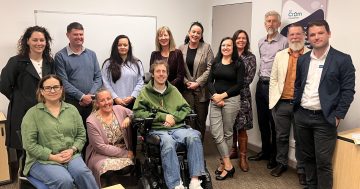
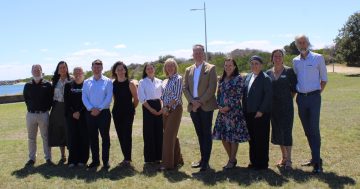
The Illawarra Disability Alliance has voiced the concerns of providers and participants following the announcement of NDIS changes. Photo: Keeli Dyson.
NDIS reforms to rebuild the scheme have been welcomed by disability advocates and providers in the Illawarra but they say more needs to be done to ease community anxiety and address serious concerns.
The Illawarra Disability Alliance (IDA) has responded to upcoming changes to the NDIS which could see sweeping reforms and thousands booted from the scheme to ensure its longevity for the future.
Key commitments announced by Health and NDIS Minister Mark Butler ahead of the upcoming federal budget have been welcomed by the local advocacy group, which said aspects such as a digital payment system, universal provider registration and differentiated pricing for registered providers were “significant, welcome and urgently needed”.
“That commitment deserves recognition, and we are pleased the government is finally moving to acknowledge it through registration requirements and differentiated pricing,” Interchange Illawarra CEO and IDA spokesperson Jake Pearson said.
However, the changes have sparked some concern within the community with the IDA calling for the government to address five specific areas causing anxiety.
The cut to social and community participation support is one aspect of the reforms that raised alarm with advocates, with this funding currently allowing participants to engage in their community and build capacity and confidence skills.
“These supports are essential to wellbeing and inclusion; any reduction must be evidence-based and co-designed,” an IDA spokesperson said.
The alliance also warned about eligibility changes, including restricted access for those aged under nine and reducing participant numbers by 160,000 people by 2030 which they say “raises urgent questions about who falls through the gaps”.
They said commissioning supported independent living (SIL) and intermediary services also needed to be approached with caution, warning against “any moves that would reduce choice and control for participants and a shift back to higher levels of congregate care for SIL”.
Finally, they reiterated that consultation and co-design would be key.
“‘Nothing about us without us.’ The minister used these words; IDA holds him to them,” a spokesperson said. “Every reform must be genuinely co-designed, not consulted on after decisions are made.”
And while they welcomed the addition of the $4 billion Thriving Kids program and the $200 million Inclusive Communities Fund, the IDA stressed the importance of timing and order to ensure no-one falls through the gaps.
“We are unequivocal: mainstream supports must be in place before NDIS eligibility is tightened,” a spokesperson said.
“No participant should lose access without a funded alternative ready to meet their need.”
Legislation around the NDIS is set to be introduced to parliament on 12 May in a bid to save $15 billion over the next four years and reduce the scheme’s annual growth from 10 per cent to 5 per cent.
But the changes are not just about participants, with the reforms set to crack down on shonky providers and scammers.
“I want to be very clear about this. When we talk about fraud in the NDIS, we are not talking about people with disability,” Mr Butler said during the announcement on 22 April.
“We are not talking about families who have been put on a plan or offered support. They are not doing anything wrong.
“The fraud in the NDIS is being perpetrated by lowlifes who are scamming both the taxpayer and people with disability.
“The scale and chaotic nature of the NDIS market is distorting other parts of the care economy, and too often not providing high-quality care to participants themselves.”
The government will introduce the National Disability Insurance Scheme Amendment (Securing the NDIS for future generations) Bill following the release of the 2026-27 budget.
The rollout of new framework planning will be delayed until 1 April 2027.