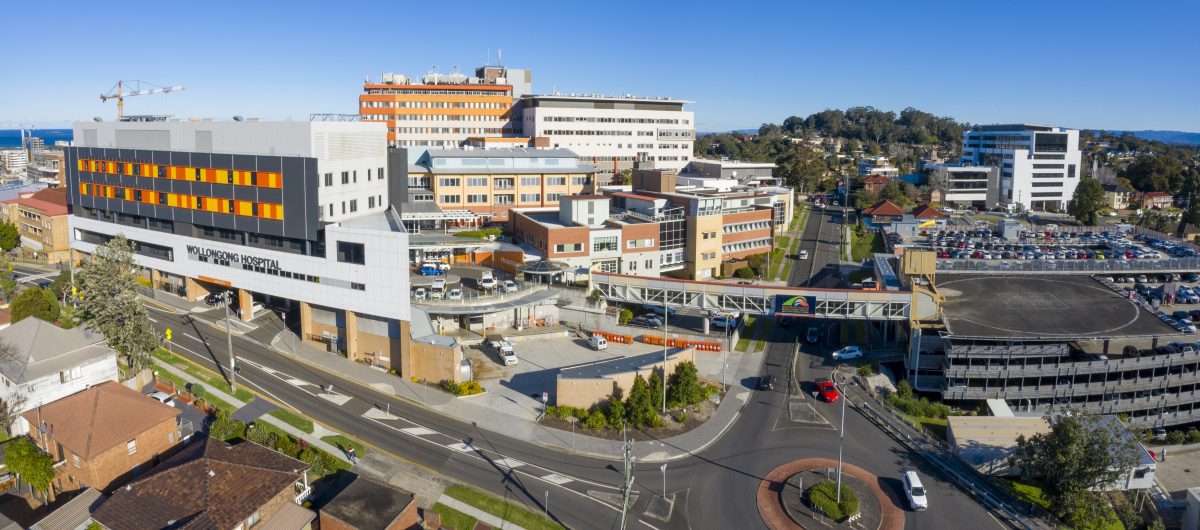
The region’s surgery waitlist is down but new data shows ongoing impacts in emergency departments. Photo: Planning NSW.
The elective surgery waitlist for the Illawarra and Shoalhaven is the shortest it’s been in almost nine years, with the number of patients waiting longer than recommended for non-urgent procedures at pre-pandemic levels.
The more than three and a half thousand elective surgeries performed in the first quarter of this year across the Illawarra Shoalhaven Local Health District (ISLHD) had a positive impact on the region’s elective surgery waitlist, with new figures from the Bureau of Health Information (BHI) showing a steady decline in patients ready for a procedure but stuck waiting.
“Across all planned surgeries, 81.8 per cent were performed on time during the quarter, an improvement of 14.5 percentage points when compared to the same quarter in 2025,” ISLHD Acting Chief Executive Margaret Martin said.
“Almost all (99.4 per cent) of urgent planned surgeries were performed on time.
“At the end of March 2026, 128 patients were waiting longer than clinically recommended for planned surgery, which is 249 fewer than the same time last year.”
At the end of the quarter, 5646 were ready and on the waiting list – the lowest number since the April to June quarter in 2017.
The number of patients waiting longer than recommended for surgery was also the lowest the region has seen since July to September 2018.
No patients needing urgent procedures were waiting longer than recommended.
“Patients who feel their condition may have deteriorated while waiting for their surgery are encouraged to contact their treating doctor who can review their condition and place them in a higher urgency category if appropriate,” Ms Martin said.
“The district remains focused on ensuring people receive timely access to planned surgery.
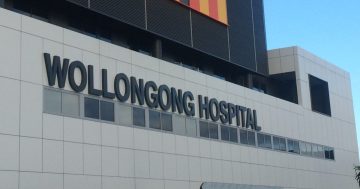
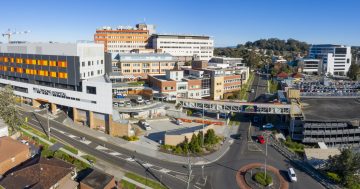
“This includes a Perioperative Service Optimisation Program being undertaken at Wollongong Hospital, delivering early improvements in access, flow, and theatre availability.”
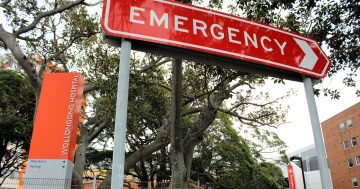
The BHI Quarterly report also highlighted ongoing pressure on Illawarra emergency departments (ED), in particular the extended periods patients were spending in EDs as they waited to be admitted or transferred to another hospital.
Although the median time from arrival to leaving in Wollongong Hospital ED was the lowest in two years at four hours and 48 minutes, the median time for a patient to be treated and admitted to hospital or transferred to another hospital was 15 hours and 42 minutes.
Around one in 10 of those being admitted or transferred were waiting more than 31 hours.
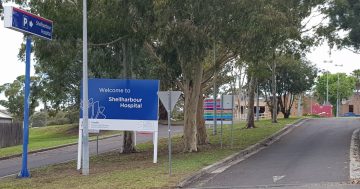
At Shellharbour ED the median time for arrival to leaving for all patients was three hours and 27 minutes, with those admitted or transferred spending closer to 10 hours.
“The Bureau of Health Information (BHI) Healthcare Quarterly Report (January to March 2026) shows Illawarra Shoalhaven Local Health District (ISLHD) hospitals continued to experience sustained demand across emergency departments and inpatient services,” Ms Martin said.
“Despite these ongoing pressures, ISLHD staff continued to provide safe, high-quality care to the community under challenging conditions. We thank our clinicians, support staff, and volunteers for their continued professionalism, compassion and dedication during a particularly demanding period.”
There were 42,687 attendances to ISLHD EDs during the quarter, with 18,200 of those at Wollongong Hospital.
But although there were still sustained pressures with high numbers of resuscitation, emergency and urgent presentations, Wollongong ED’s semi-urgent presentations were the lowest in more than 15 years.
“This reflects the growing use of alternative care pathways across the region, including general practice, urgent care services, and virtual care options, helping ensure EDs remain available for patients requiring emergency treatment,” Ms Martin said.
Along with encouraging the use of Healthdirect and urgent care services to minimise the pressure on EDs, ISLHD is also focusing on initiatives to improve access and workflow within hospitals including implementing safe staffing levels; strengthening community care with NSW Ambulance through expanded Extended Care Paramedic and Virtual Clinical Care Centre services; expanding the Wollongong Hospital Emergency Short Stay Area (last December); redesigning ward-based models of care and processes to improve patient flow, safety, and outcomes; and improving imaging capabilities at Wollongong Hospital.
More data from the January to March Healthcare Quarterly report is available on the BHI website.