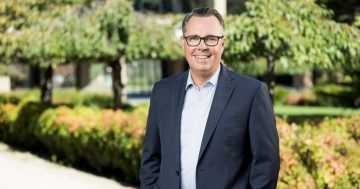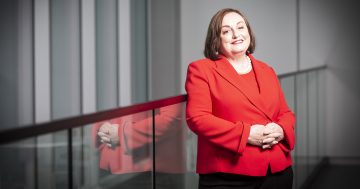

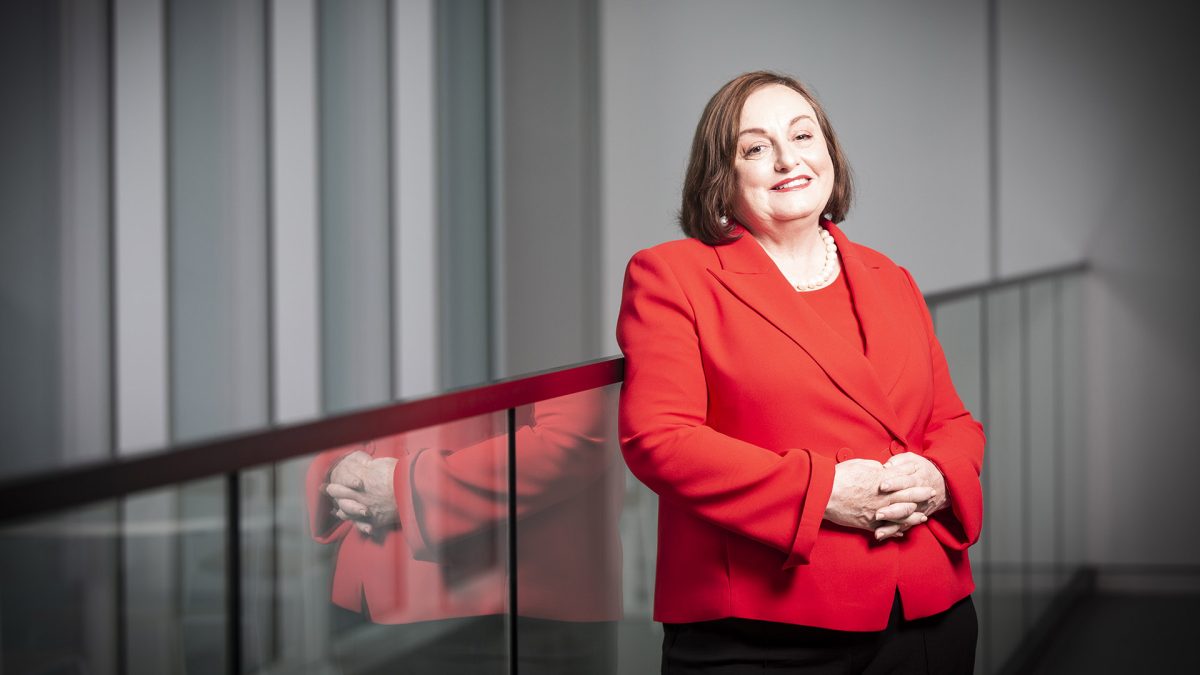
UOW Vice-Chancellor Patricia Davidson announced her resignation in 2024. A NSW inquiry is asking questions into the circumstances surrounding it. Photo: UOW.
A series of clandestine conversations that lead up to the resignation of University of Wollongong Vice-Chancellor Professor Patricia Davidson have come under scrutiny as part of a NSW Government inquiry.
The inquiry’s terms of reference requires the committee to “inquire into and report on the crisis in the NSW university sector” and is looking into the structure, powers and responsibilities of university councils, governance practices, reporting obligations and how universities engage in commercial activities.
The full transcript of the UOW sessions is now on the NSW Parliament website. This is the second in a series of articles about UOW’s evidence to the inquiry.
A topic that came up repeatedly was Prof Davidson’s 2024 resignation.
Prof Davidson was the first UOW alumni to hold the vice-chancellor role, which she did for three years.
Presiding over her resignation and the appointment of an interim vice-chancellor was UOW Chancellor Michael Still.
Asked by the inquiry committee whether he asked Prof Davidson to resign, Mr Still said he did not and she had resigned of her own accord.
He later admitted the two had a number of discussions about her resignation before it was tendered.
“The discussions that took place with Professor Davidson over time resulted in her resignation,” he told the committee.
Committee member Anthony D’Adam asked if Mr Still had initiated those discussions or had asked her to resign.
“The conversation I had with Professor Davidson did include the possibility of her resigning and she resigned,” Mr Still said.
After Prof Davidson resigned on 19 April 2024, the deputy chancellor Rob Ryan announced his resignation on 30 April, followed by the resignation of chief operating officer Adam Malouf on 7 August.
At the time of Prof Davidson’s resignation, Mr Still publicly expressed surprise about her decision to leave the role before the end of her contract.
Privately, however, he had been having conversations about her leaving with other members of the senior executive.
Pro-chancellor Warwick Shanks told the committee about one of those meetings.
“I do recall the chancellor called – ‘called’ is the wrong phrase – but he called an informal meeting of the independent members of council to gauge a range of views and perspectives on how the university was dealing with the very challenging environment we found ourselves in,” Mr Shanks said.
Asked how often the independent members of the university council met without the elected members of the council, Mr Shanks said he could not recall any other occasion.
He denied Mr D’Adam’s assertion this was done because the independent members were worried the news might leak.
“To ask them their view on the performance of the leader of the university, when they were an employee of the university, we felt would be inappropriate,” he said.
“It wasn’t about being concerned about a leak … what the chancellor was doing was gauging the views of council members so that he could engage in a conversation with Professor Davidson about how we were going to deal with the circumstance that we were in and to understand the urgency of the decisions that we needed to make.”
Despite these preparations, when it came time to appoint a new vice-chancellor Mr Still said he had not identified any potential candidates.
He said this was the reason for the interim appointment of Professor John Dewar.
Committee chair Sarah Kaine said she was surprised by this process.
“You had conversations with [Prof Davidson] about the possibility of her resigning, multiple conversations, but during that time, you hadn’t considered what the university did to fill that gap,” she asked Mr Still.
“No,” he replied.
The inquiry continues. The next hearing will take place in Sydney on 18 February.