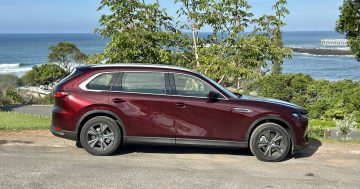

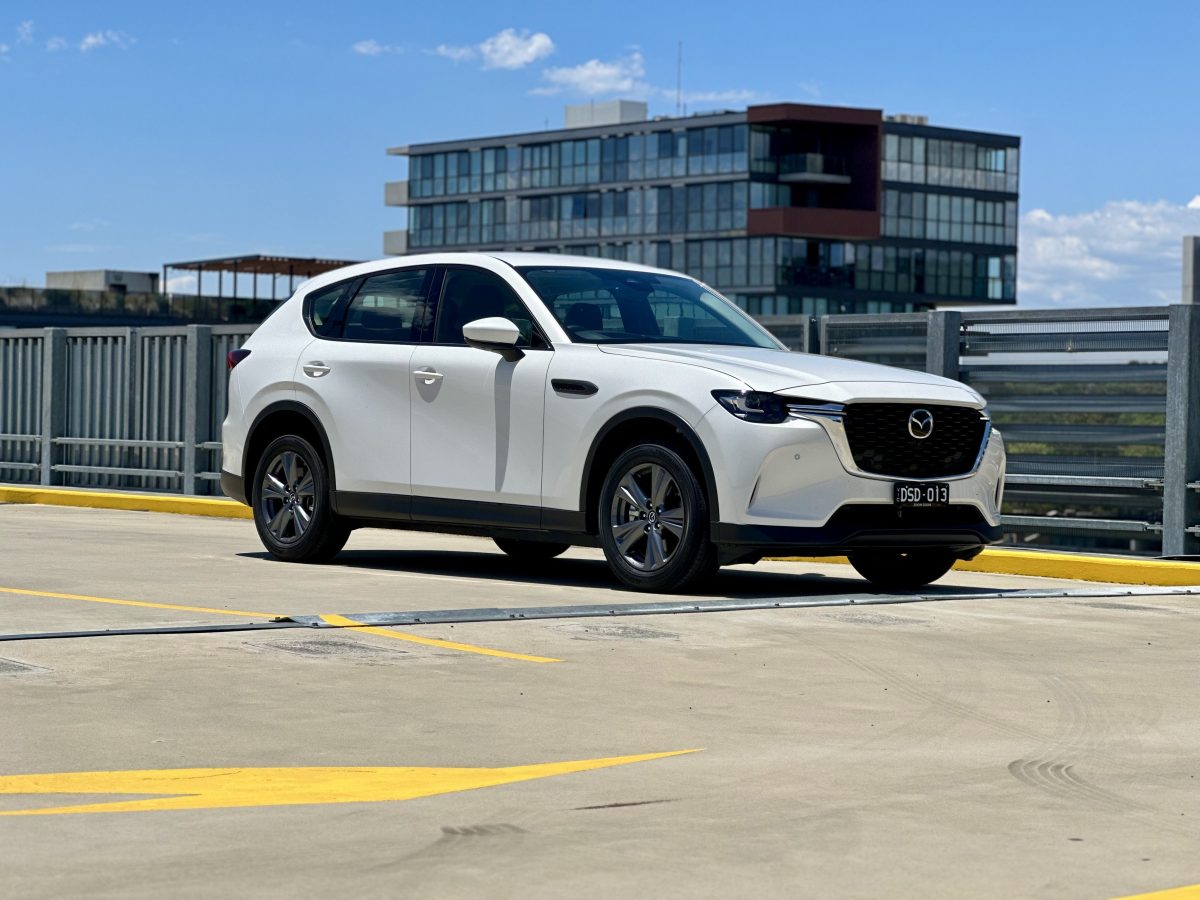
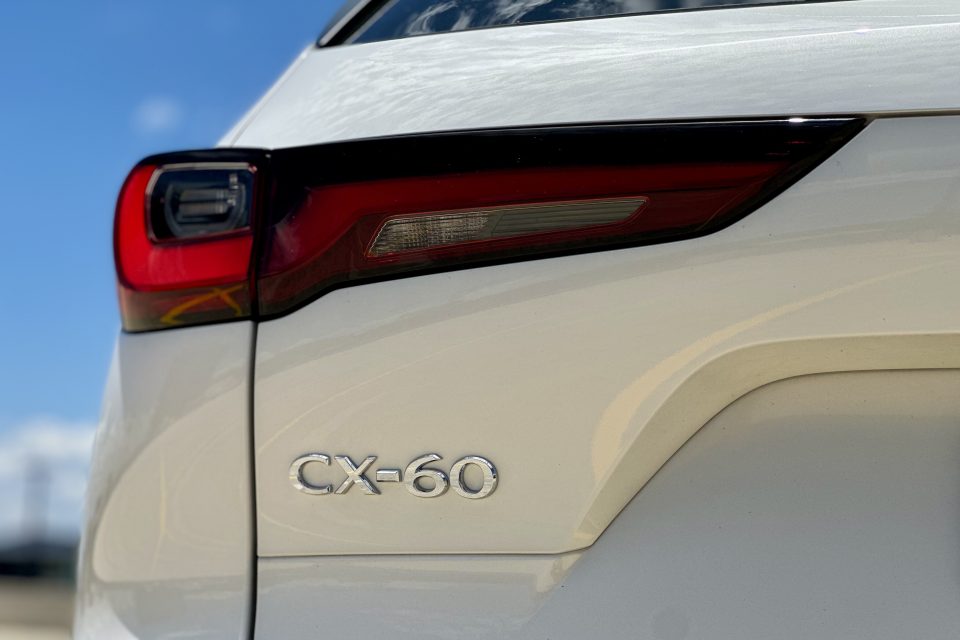
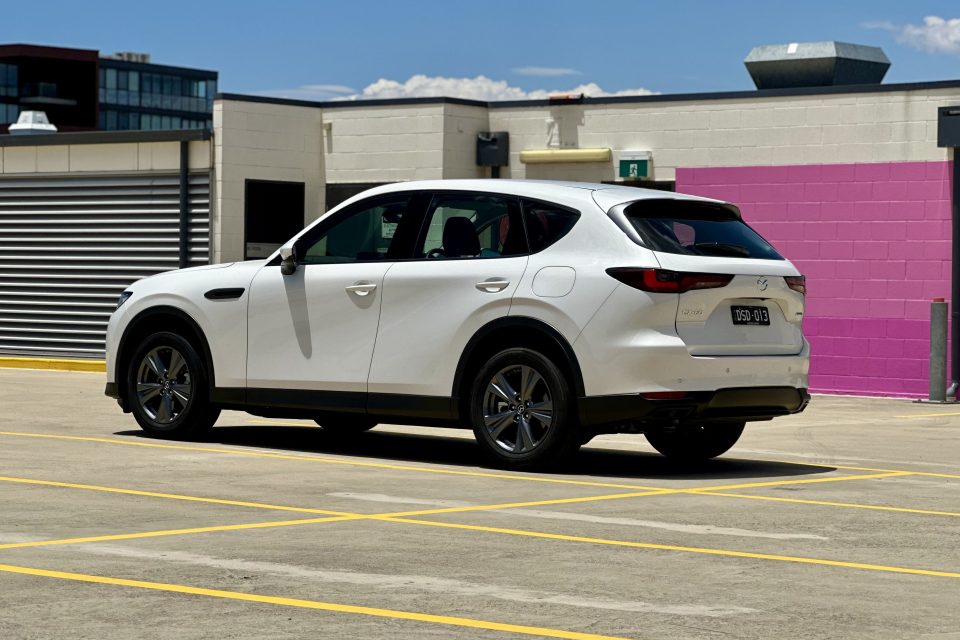
The Mazda CX-60 has been around for a couple of years now – but never at this price. Photo: James Coleman.
Everyone will tell you electric cars are more efficient than petrol cars, and they’re obviously right. If they weren’t, petrol cars wouldn’t have exhaust pipes that exist solely to eject heat and money into the atmosphere.
The science boffins call it “thermal efficiency”, or the percentage of the energy you put in that actually turns into forward motion. An average EV manages about 77 per cent. A petrol car? It’s closer to 30 to 40 per cent.
But that figure is old. Because it doesn’t take into account Mazda.
As Jeremy Clarkson wrote in his review of the Mazda 3 earlier this year, “[Mazda] argues that if you want to save fuel and make fewer carbon dioxides, you shouldn’t dispense with the tried and tested internal combustion engine.
“You should develop it. Hone it. Poke into the corners of possibility with a powerful head torch and a pair of tweezers.”
So, by squeezing the air and fuel mixture harder than anyone else dared – lifting compression from the usual 10:1 ratio to a lunatic 14:1 – Mazda discovered it could make a petrol engine sip fuel like a diesel. They called this sorcery ‘Skyactiv’.
And they’re not even finished. Next year comes the ‘Skyactiv-Z’ engines, which Mazda claims will hit a thermal efficiency of 56 per cent. That’s getting close enough to worry EVs.
This isn’t to say Mazda has completely ignored electricity. It might have botched its first effort, the MX-30, by giving it weird doors and a range best measured with a tape measure – and as a result, hardly anyone bought it. But since then there have been mild-hybrids, a plug-in hybrid, and, soon, a proper Tesla-baiting electric sedan.
Yet at the same time, Mazda has done something gloriously, defiantly old-school. With this, the new CX-60 G25.
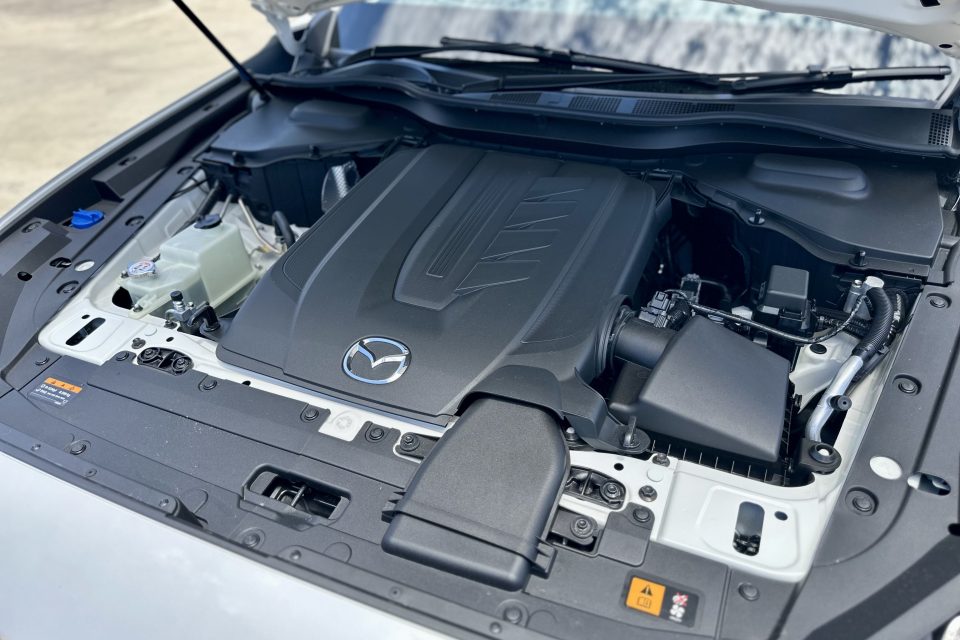
Under the bonnet is broadly the same engine you’d find in a 2012 CX-5: a naturally aspirated 2.5-litre four-cylinder petrol. No turbo. No electrickery. Just old-fashioned sucking, squeezing, banging and blowing.
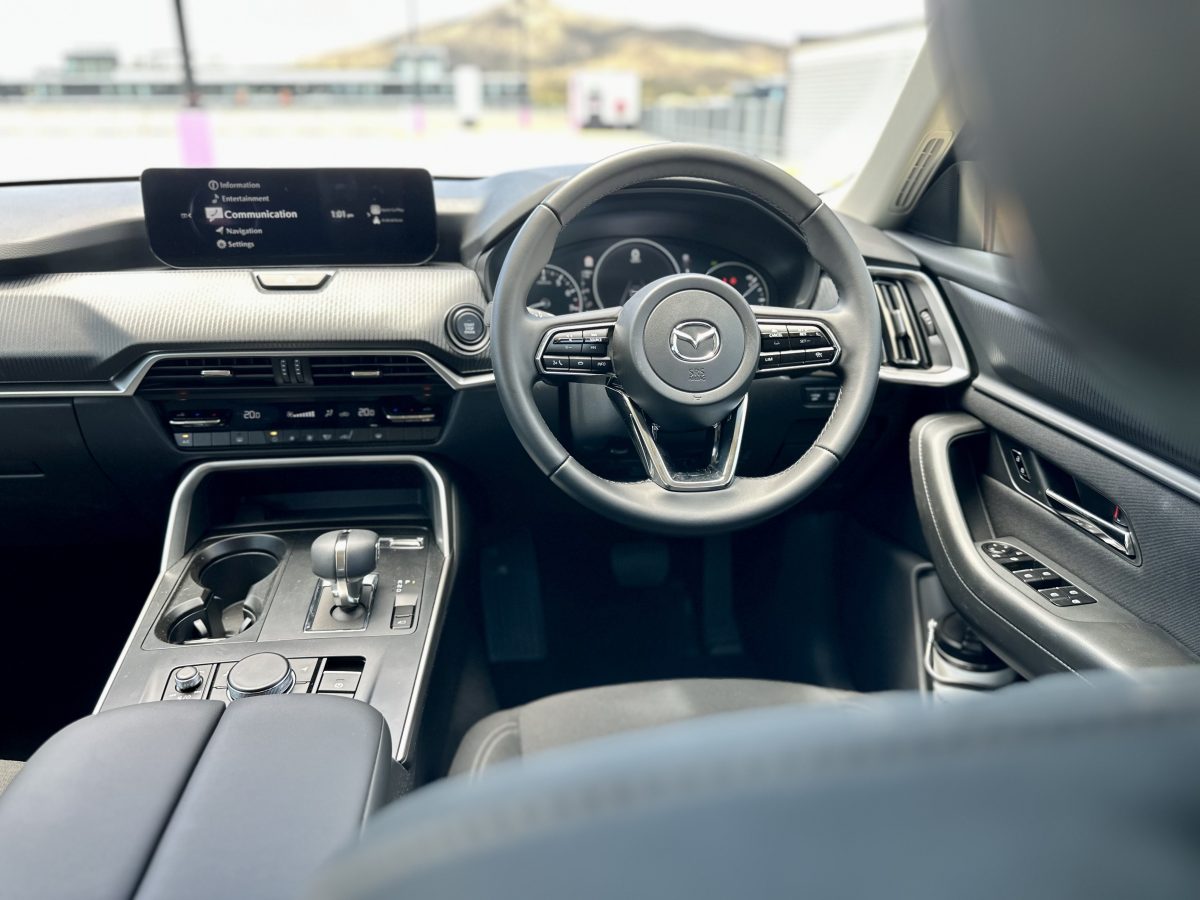
The refinement inside is at German levels. Photo: James Coleman.
The CX-60 itself is nothing new. It arrived a couple of years ago as the spearhead of Mazda’s attack on the premium market – think Lexus or BMW. Unfortunately, pricing something at $80K doesn’t magically make it drive like it. The suspension, in particular, would rattle a Lexus driver’s dentures.
This new version might be Mazda admitting – quiet-like, mind you – that it got a bit carried away. Because they’ve already predicted it will make up a third of all CX-60 sales.

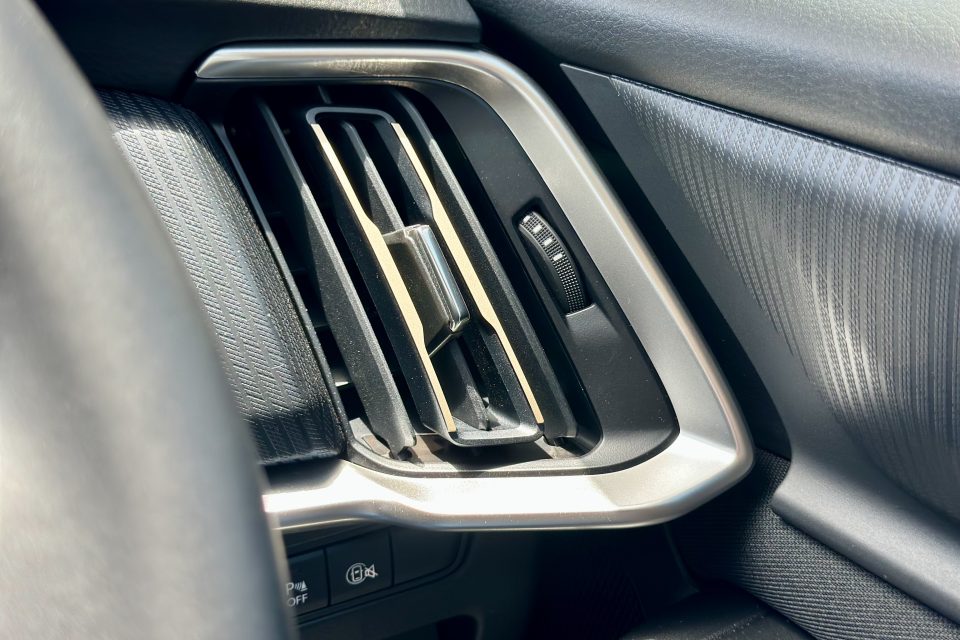
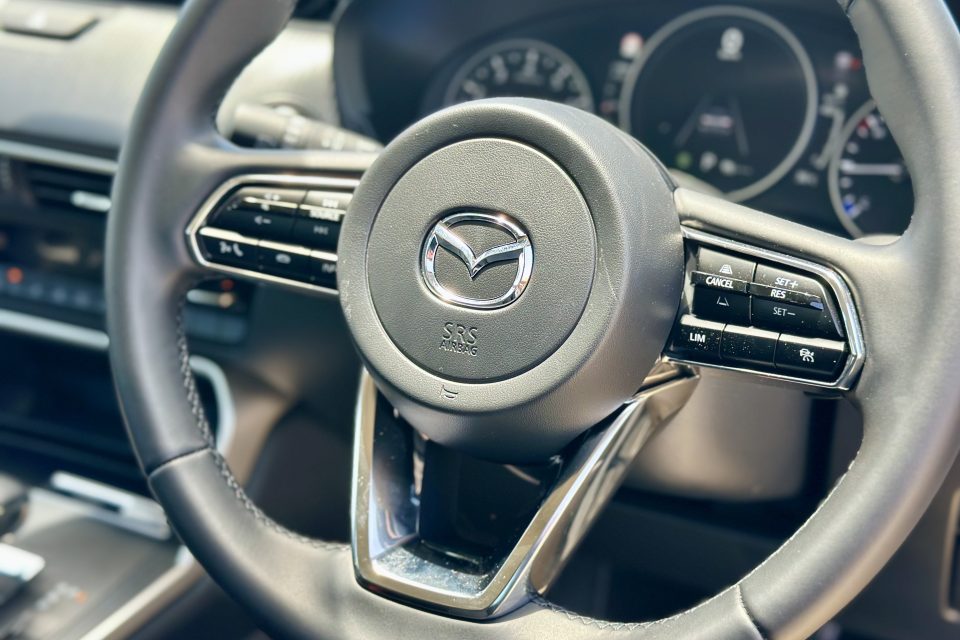
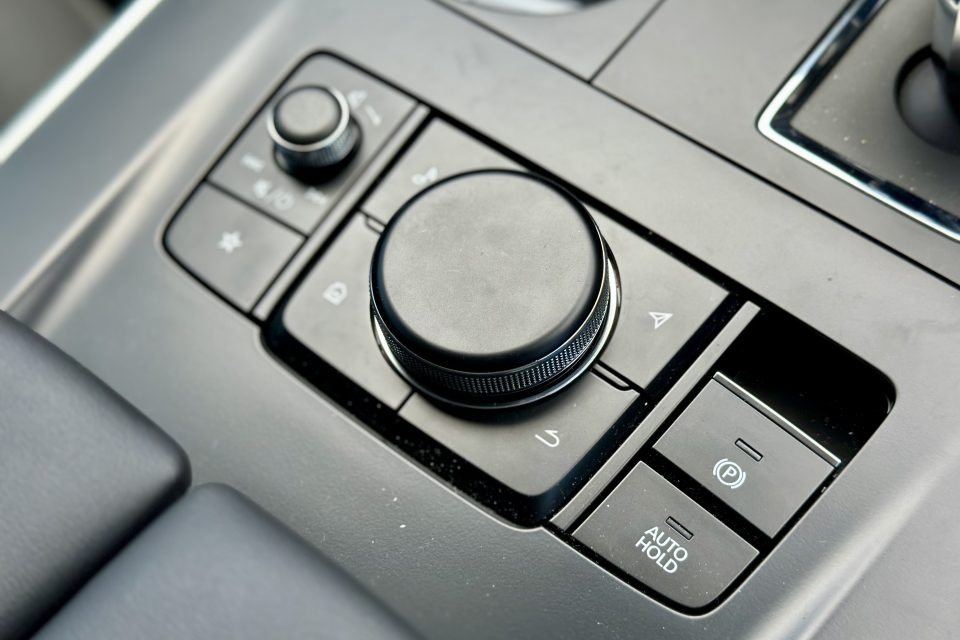
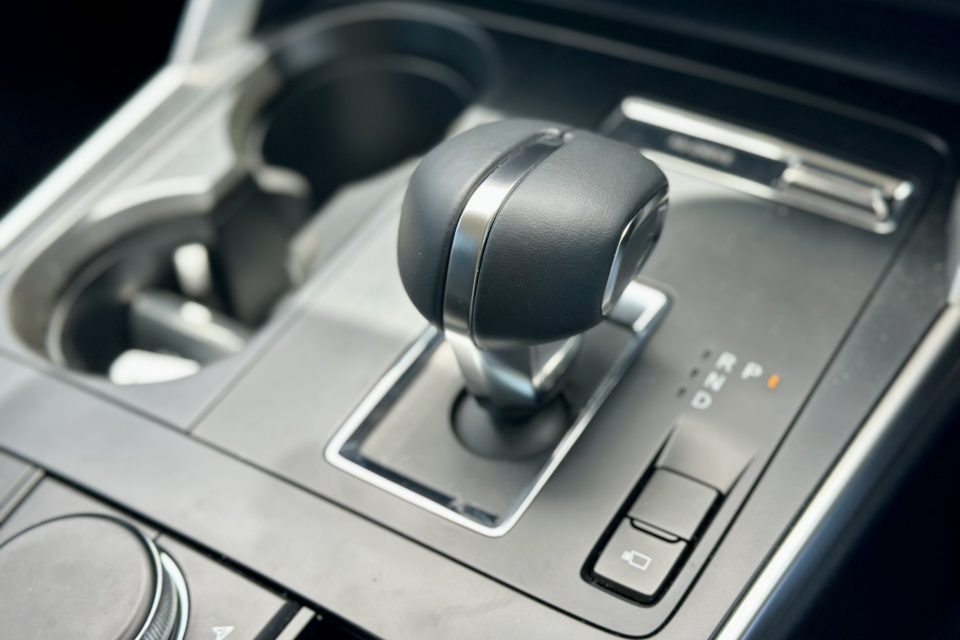
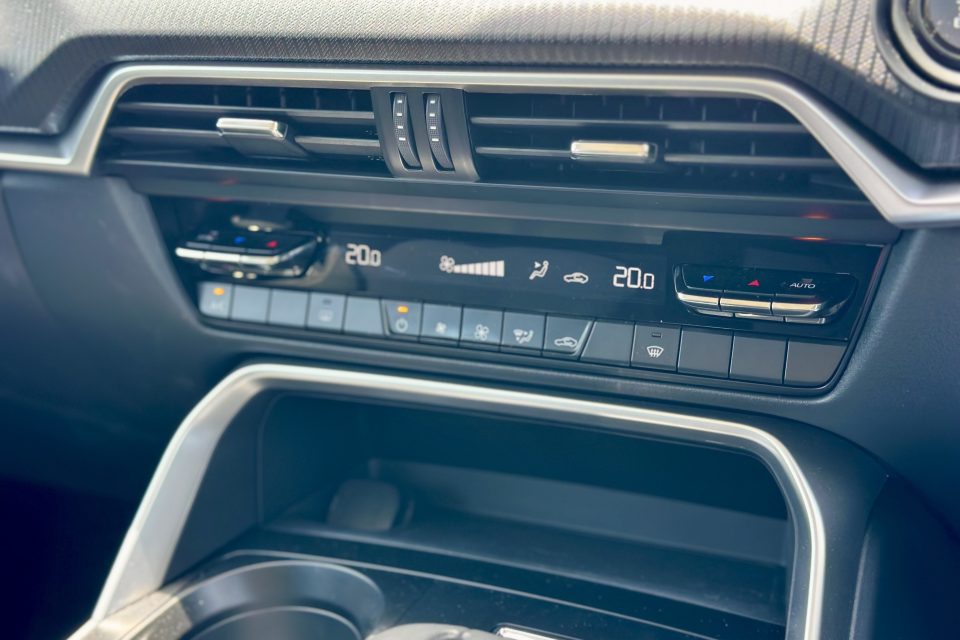
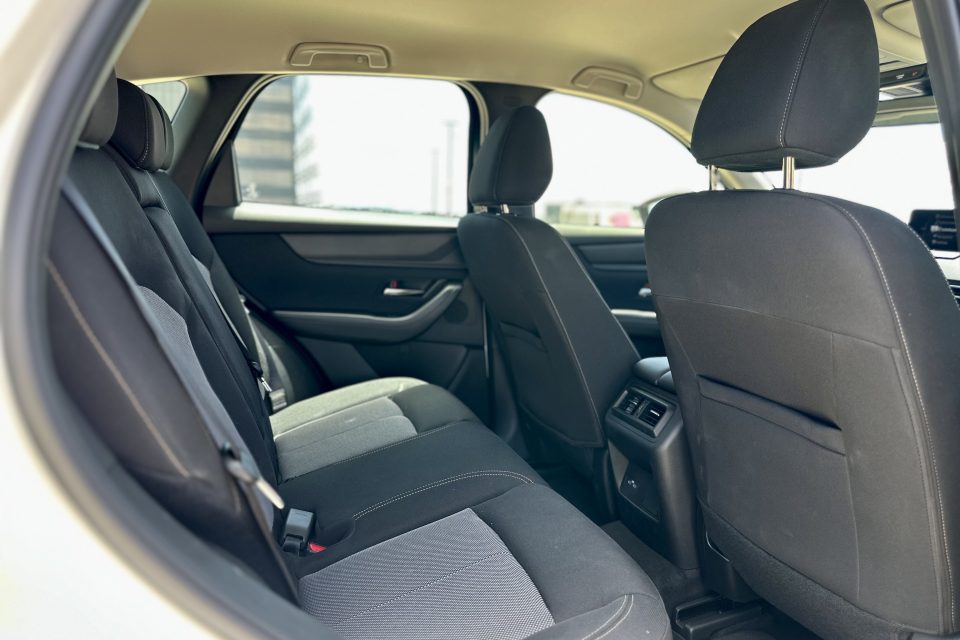
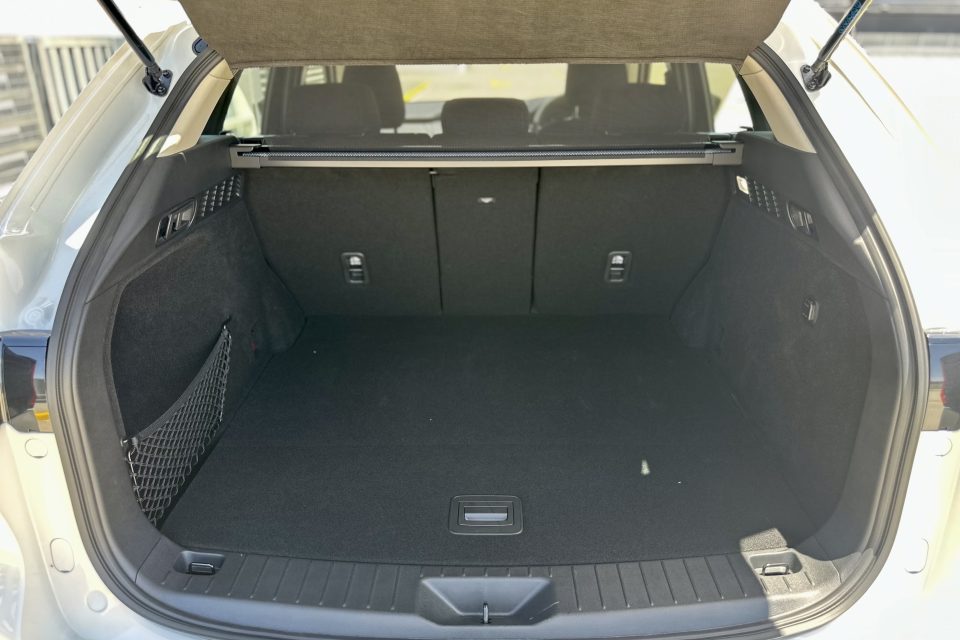
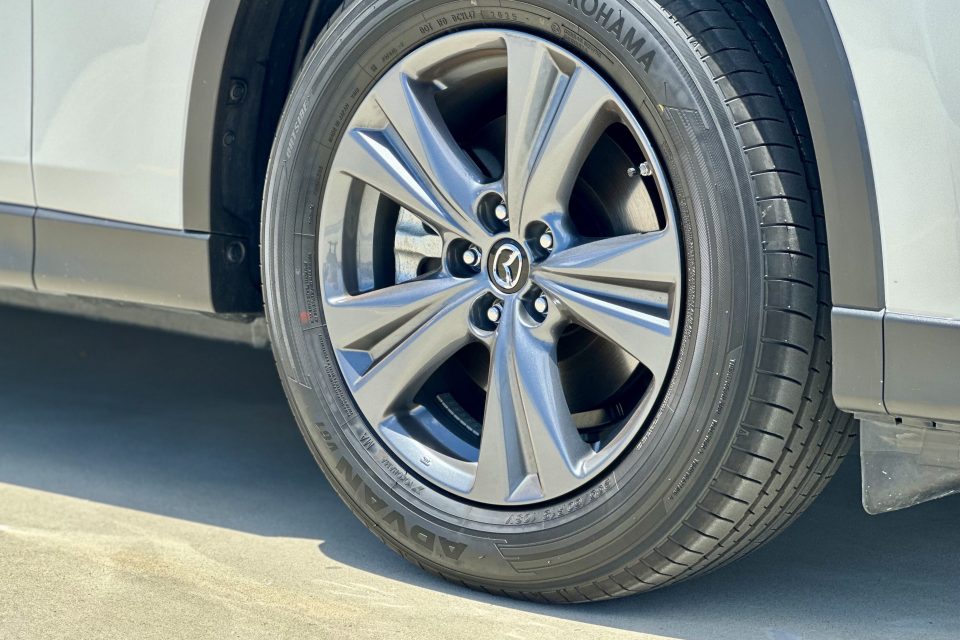
There are three models: the Pure from $44,240, the Evolve from $49,240, and the Touring from $52,240. I was in the Evolve, and it’s old-fashioned in other ways too. Cloth seats. Manual seat adjustment, via levers like the Egyptians might have used to haul stone. And while moving, the touchscreen can only be controlled via a dial between the seats.
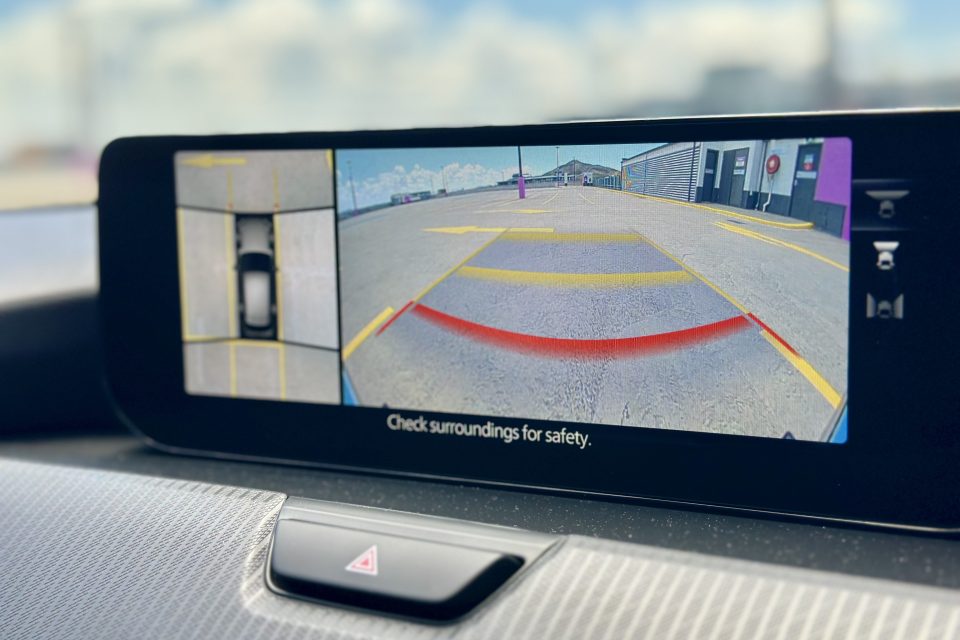
That said, all the tech you’d want is here. There’s a sharp heads-up display projecting speed and navigation info onto the windscreen, and a surround-view camera with genuinely impressive image quality. The precisely laid-out buttons feel almost German too.
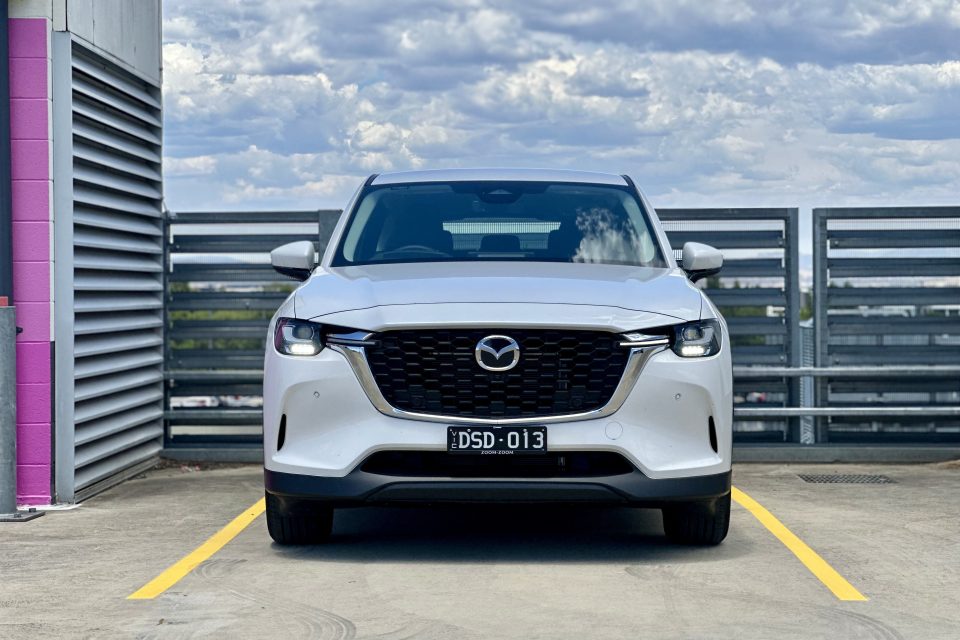
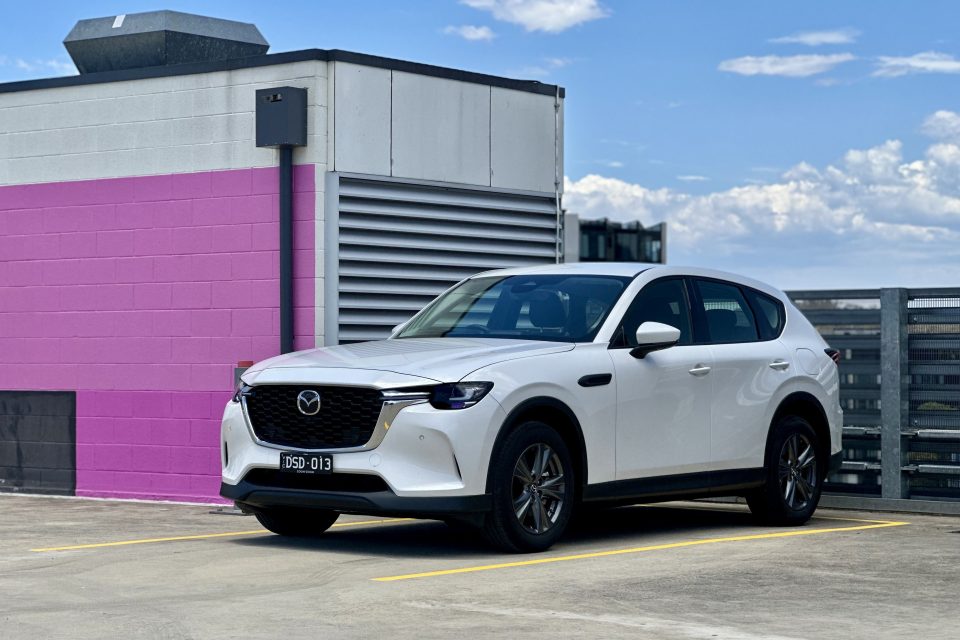
It also looks fantastic. While photographing it in a Canberra Centre car park, a security guard wandered over to admire it. I assume that was the reason.
Has the overly bumpy suspension been fixed? Mostly. I judge suspension by how annoying it is, and – beyond the usual complaints about ACT roads – it barely registered. On the highway, it’s impressively quiet. Until you put your foot down.
We had almost this exact engine in our family’s 2013 Mazda 6 wagon, and it never inspired much enthusiasm there. In something bigger and heavier, it always sounds like it’s sweating.
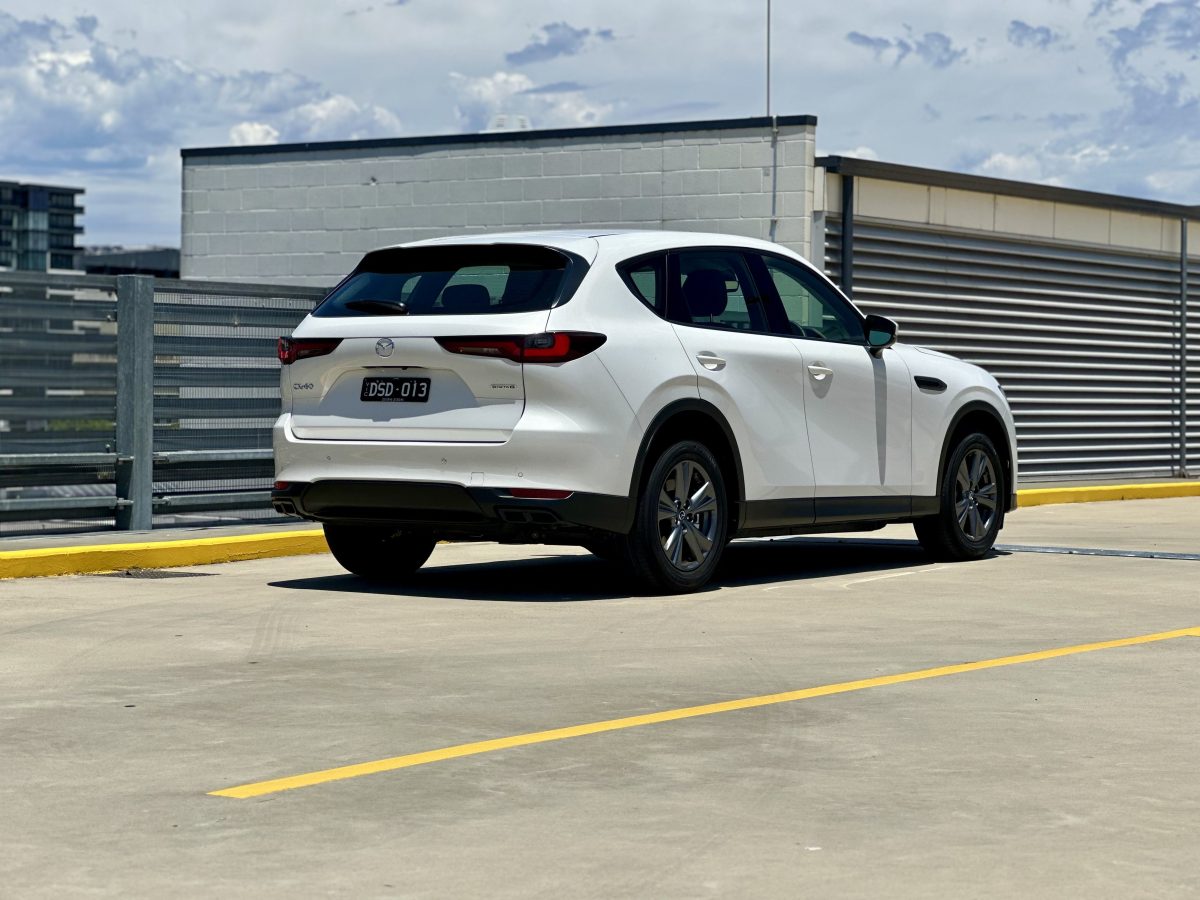
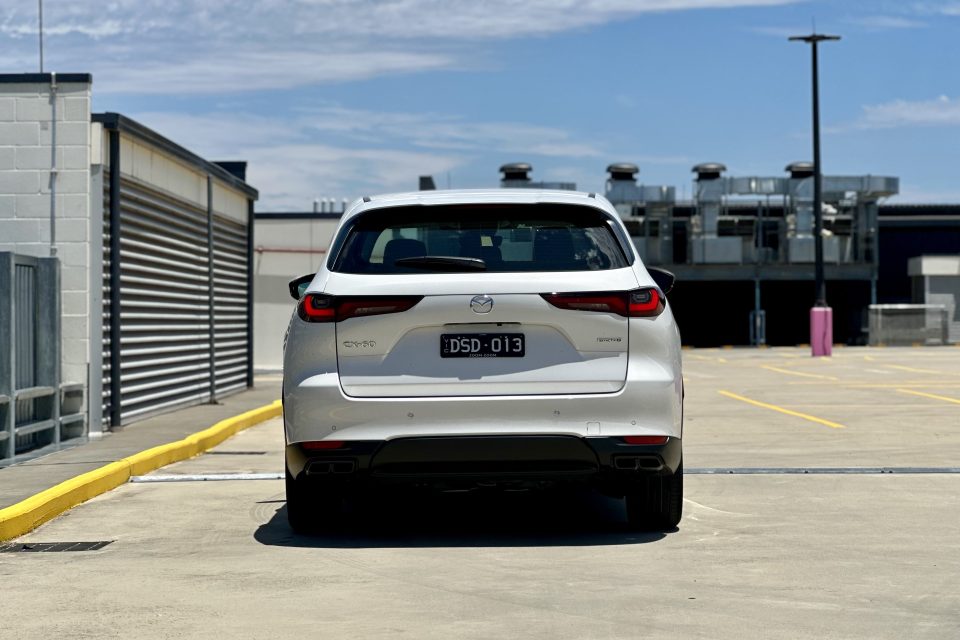
You can see what they were thinking with the BMW thing. Photo: James Coleman.
The real weak link, though, is the automatic gearbox. It never seems to know what it’s meant to be doing. Ask for acceleration and it responds with bumbling and shuddering – like a waiter who took your order only to trip over a chair, another waiter and the drinks trolley on the way back to the kitchen.
After more than a week of mixed driving, I averaged 9.6 litres per 100 kilometres. Not terrible. But a fair distance from the claimed 7.5.
So, is the internal combustion engine finished?
Of course not. It just needs a little more tinkering.
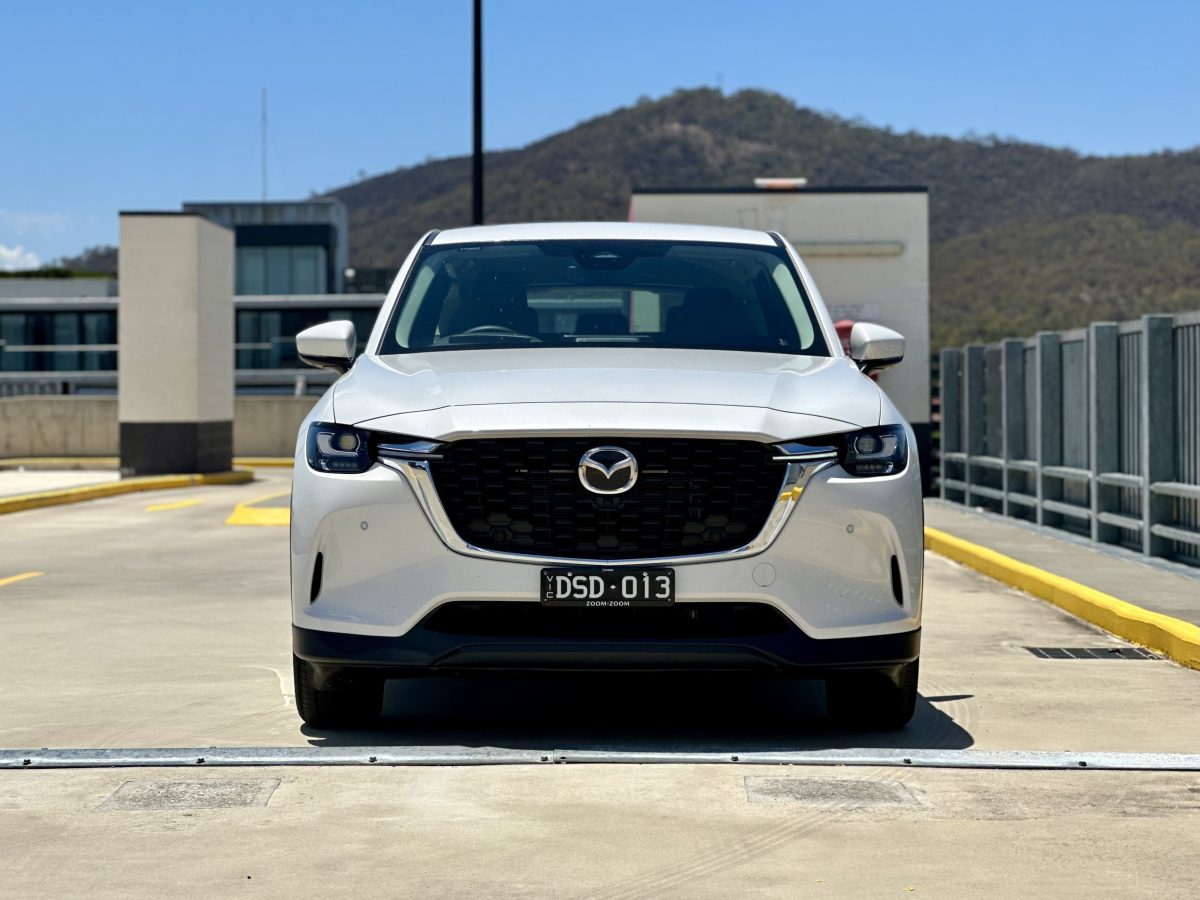
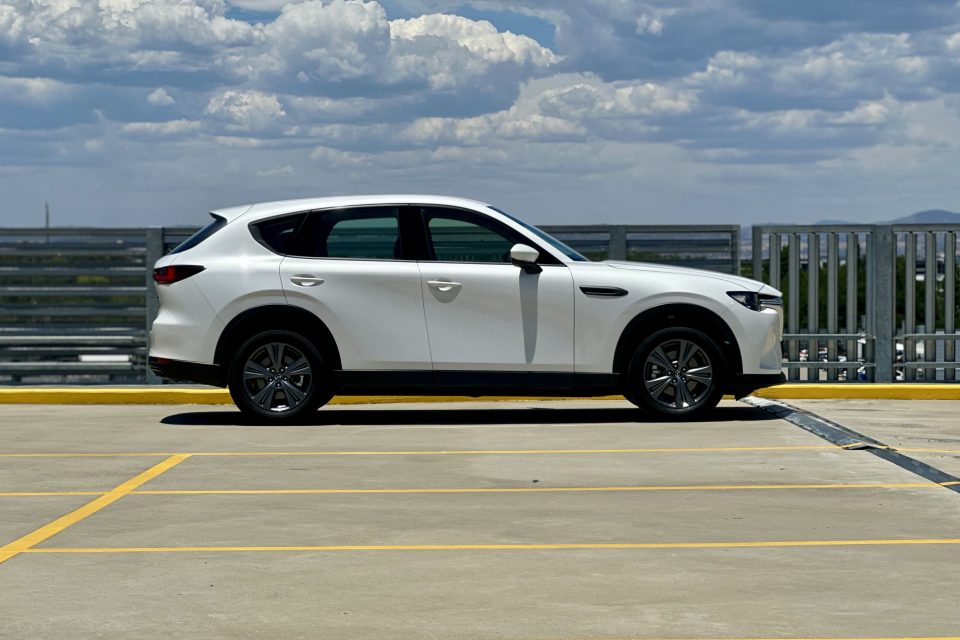
It’s nearly there. Photo: James Coleman.
2025 Mazda CX-60 G25 Evolve
- $49,240 (plus driveaway costs)
- 2.5-litre four-cylinder petrol, 138 kW / 250 Nm
- 8-speed automatic, rear-wheel drive (RWD)
- 7.5 litres per 100 km claimed fuel use
- 0-100 km/h in 9 seconds
- 5-year, unlimited-kilometre warranty
- 5-star ANCAP safety rating
Thanks to Mazda Australia for providing this car for testing. Region has no commercial arrangement with Mazda Australia.
Original Article published by James Coleman on Region Canberra.