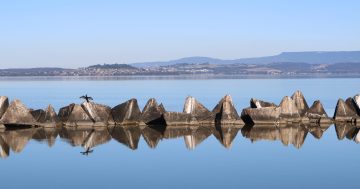

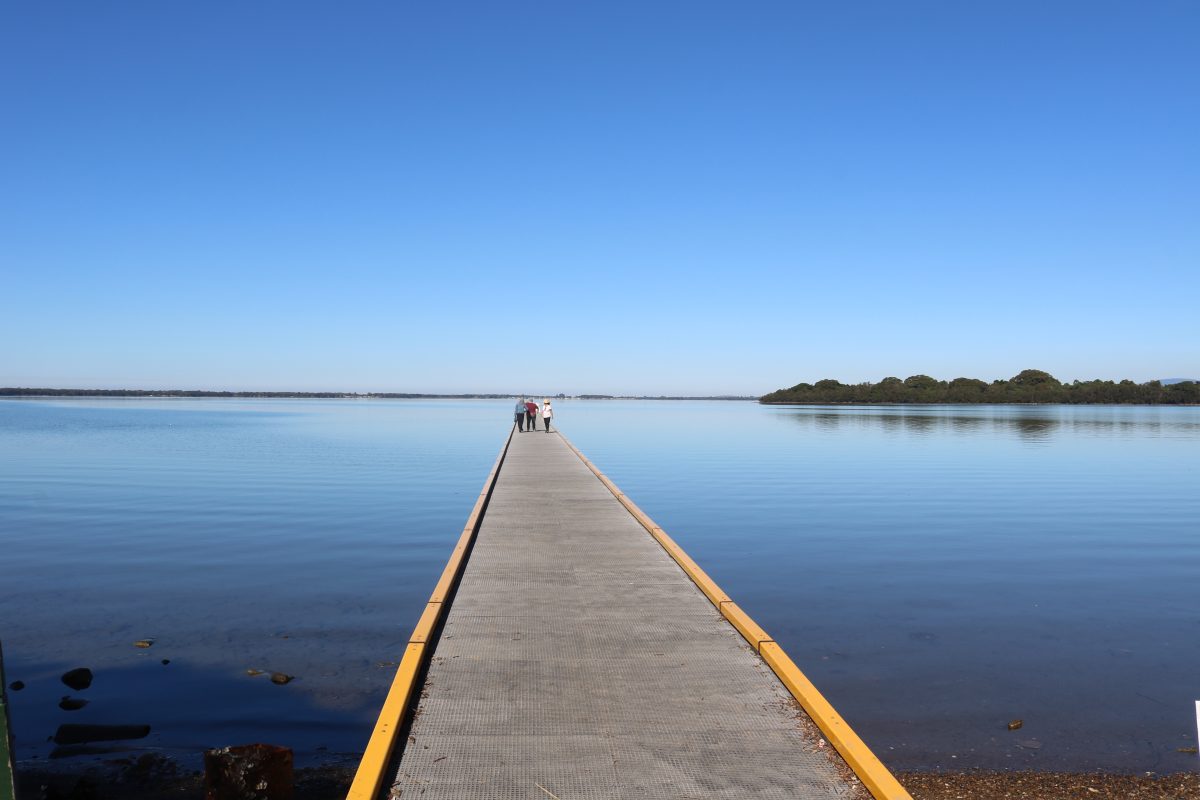
Lake Illawarra is bucking the trend of algal bloom outbreaks marring other coastal areas. Photo: Jen White.
While algal blooms continue to plague Australia’s southern coastlines, one of the Illawarra’s most iconic bodies of water has received a clean bill of health.
Lake Illawarra scored “very good” or “good” for water clarity and microscopic algae levels at eight of nine sites routinely sampled on its Estuary Health & Water Quality Report Card 2024-25, published in November.
The assessment rated water quality at locations around the lake based on key ecological health indicators set out by the NSW Government.
Overall results were slightly better compared with last year, with six sites deemed in “very good condition” and two in “good condition”.
A slight decline was observed at two south-western sites — Burroo Bay and an in-lake site near Macquarie Rivulet entrance — due to high turbidity and chlorophyll-a (a measure of algae) over the summer.
The report card also highlighted regular testing of enterococci (bacteria) levels over the summer period, a key indicator of water suitability for recreational activities.
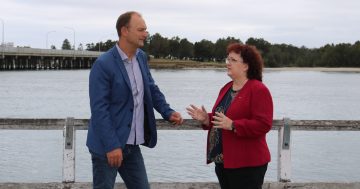
Wollongong Lord Mayor Tania Brown said the results were encouraging for the long-term health of the lake.
“It’s very promising for the whole ecosystem of plants, animals and organisms that live in and around Lake Illawarra, and it’s pleasing to see all sites saw higher compliance with recreational water quality guidelines than the year before,” Councillor Brown said.
“These results demonstrate the lake’s resilience, and we’ll continue looking at ways to reduce nutrient and sediment loads entering the lake to ensure it is sustainably managed and can be safely enjoyed by our community for many years to come.”
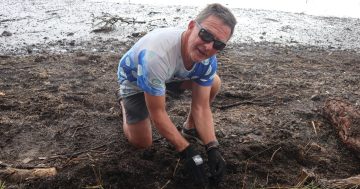
The results align with the goals of the Lake Illawarra Coastal Management Program, which saw 16,000 tubestock planted along the foreshore and creek banks to reduce sediments coming into the lake over the past year.
The council also updated its Development Control Plan to include Water Sensitive Urban Design (WSUD) provisions guiding development in the catchment to reduce stormwater and nutrients entering the lake.
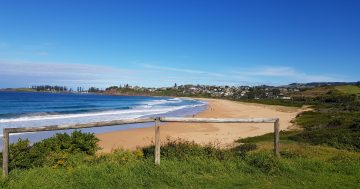
Lake Illawarra is treasured for its calm waters and scenic foreshore, complete with barbecues, playgrounds, and an art trail. It’s among the region’s most popular spots for stand-up paddleboarding, canoeing, kayaking, boating, fishing and, more recently, jetskiing, all supported by local businesses.
Shellharbour Mayor Chris Homer said Lake Illawarra was one of the region’s “most valued natural assets” and must be protected.
“Every improvement is a step toward a healthier future,” he said. “Our focus is simple: keeping the lake clean, safe and thriving for everyone to enjoy, including future generations.”
View the full report card at Wollongong City Council.