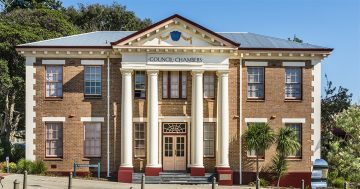
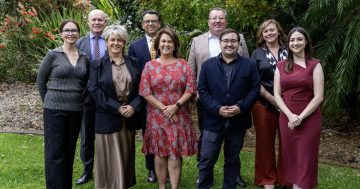
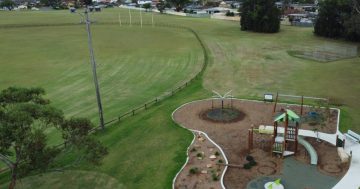
Vital services such as lifeguard patrols could need to be reconsidered if proposed funding cuts proceed. Photos: Keeli Dyson.
The restructure of a funding program could put infrastructure projects and services across the Illawarra at risk, with local councils potentially set to receive millions of dollars less than they have already planned for.
Illawarra residents could soon be hit with hefty rate rises, a reduction in services such as lifeguard patrols, or cease receiving any new or upgrades to infrastructure if planned changes to an important funding avenue proceed.
Wollongong City Council (WCC) is set to have around $16 million less funding to spend on delivering projects and services under a newly proposed allocation model of the Commonwealth Financial Assistance Grants, with the new methodology by the NSW Local Government Grants Commission likely to lead to a 67 per cent reduction in the amount received annually.
“Clearly something has gone wrong,” Lord Mayor Tania Brown said.
“For our community, when we have already worked together on our budget, worked together on our infrastructure delivery program, and what we want to see delivered for our community starting at the next financial year, clearly a $16 million hit to us means that we need to revise that.
“It will impact everyone.”
Under the new methodology, Shellharbour Council could receive a funding boost, whereas Kiama Council has had its allocation cut by $1.5 million.
“At a time when we are under a state government-imposed performance improvement order to deliver a balanced budget, these cuts have a flow-on effect which could force us to consider staff or service reductions, or increased revenue-raising needs,” Kiama Mayor Cameron McDonald said.
“After waiting decades for a review of the methodology for financial assistance grants to see our funding slashed by half – right when we need it the most, is beyond alarming.
“No mayor wants to see anyone out there in local government go backwards in funding – but we all wish we were the lucky few who stand to gain. Like us – I bet they need it, but where is the equity, the fairness and the transparency in this decision and new process?”
“Shellharbour City Council understands it is proposed to receive an increase in the grants funding. Council is currently reviewing the proposal and the longer-term implications of any changes,” a Shellharbour Council spokesperson said.
According to the information from the Office of Local Government, the current model is based on ‘assessing the level of advantage or disadvantage in each area of expenditure and revenue and summing these assessments over all areas of expenditure and revenue for all councils.’
The proposed change is ‘based on making an assessment of each council’s costs of providing services and its capacity to raise revenue, including its capacity to obtain other grant assistance’.
“Why is Wollongong being targeted? It’s because they’re looking at the algorithm of ratepayers’ ability to pay more money on the value of the property within the city that we live,” Wollongong Councillor Ryan Morris said.
“It doesn’t take into account the cost of living pressures that are varied across our LGA and with the rates that have been decided recently that now puts us in a very difficult decision, after just having gone through the rates review, of then looking at it again.”
This general funding does not have to be tied to any specific project, allowing councils to assess where the most need is based on extensive budgeting and planning processes which occur every year.
But with the funding being an annual expectation which has been factored into longer term plans, the cuts could have big implications on decisions and operations.
“What’s at risk is our pools, our public toilets, skate parks, natural areas funding, events, life guard services, all those things including library funding and managing the costs of increasing effects of climate change, is all going to be stretched incredibly by this if it goes ahead,” Wollongong Councillor Jess Whittaker said.
“I think the community will be very upset when they realise the scale of this and the impact it could have on actual meaningful things in their everyday lives.”
And these services are not only used by ratepayers.
“We have, within 40 minutes of our city, two million people,” Wollongong Councillor Thomas Quinn said.
“Those two million people use our facilities day-in day-out.
“When it comes to the broader narrative of the impact that this will have on our region, it’s not just Wollongong that suffers, it’s every member of every community that comes and enjoys our beaches, enjoys our parks.”
Other large regional centres across the state are already campaigning against the changes, with Lake Macquarie City Council, City of Newcastle, Central Coast Council and Mid Coast Council among those joining forces to urge the government to press pause on the process, warning that the cumulative reduction over the next decade is almost half a billion dollars.
While Wollongong and Kiama are also preparing to join the fight, the push is not about ‘winners and losers’ but rather creating a system that adequately supports councils of different shapes and sizes to deliver what their community needs.
“As a sector we’ve been crying out for a fairer and better share of funding – and with this the latest announcement, it’s the end of the tether and just shows how our sector’s funding system is entirely broken,” Cr McDonald said.
“We need to fight the fight first, tackle the methodology, make our case that this will not work,” Cr Brown said.
Submissions are being accepted on the proposal until 9 October, with feedback to be considered in October and November and the new methodology to be implemented in 2027/28.
Wollongong Council will hold an extraordinary meeting to finalise its submission on 8 October.