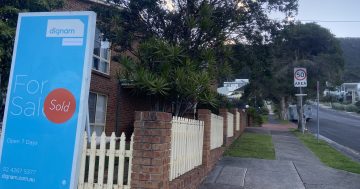
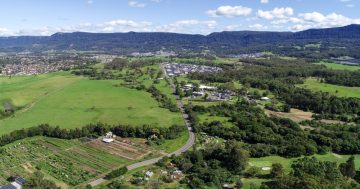
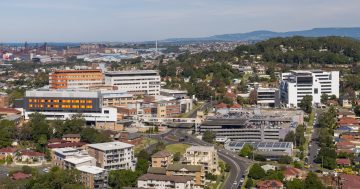
Dapto has seen good growth over the quarter, highlighting the affordability advantage as confidence dips. Photo: Region.
The Illawarra’s property market is displaying remarkable resilience in the face of extraordinary headwinds, but experts are questioning how long it can last.
While national home values grew 0.7 per cent in March, the Illawarra outperformed the average with a 0.9 per cent increase — matching its gains from the previous month.
But zoom out to the quarterly trend, and it’s clear growth is fading.
The region hit a peak growth rate of 3 per cent in the three months ending October, and that has since dropped to 2.2 per cent for the latest quarter.
“Those are still reasonably strong outcomes, particularly considering the downside factors currently weighing on the market,” Cotality Executive Research Director Tim Lawless said.
“But I think we’re yet to see the real impacts of what’s happening in the Middle East, the subsequent cost of living pressures and interest rate hikes.
“It’s fair to say headwinds are building, confidence has taken a hit in March and I would be surprised if we didn’t see a more obvious slowing down in the months ahead.”
In the Illawarra and throughout Australia the market is seeing more competition for housing at lower price points.
The Dapto and Port Kembla SA3 (a geographical area defined by the Australian Bureau of Statistics) saw dwellings rise 3 per cent (3.7 per cent for houses) while the more expensive central Wollongong suburbs rose only 1.4 per cent for the quarter.
In contrast, the Kiama LGA, a market that was generally weak post-pandemic, has begun to bounce back, rising 2.2 per cent over the quarter. Shellharbour saw a lift of 2.5 per cent.
Overall, the Illawarra market has proven more resilient compared to Sydney.
“Sydney recorded a decline over three of the last four months, likely because it’s more expensive,” Tim said. “That highlights how the affordability advantage in the Illawarra is helping to prop prices up.”
But again, uncertainty tempered the good news.
“We will likely see continued rate rises, a lot of uncertainty surrounding the Middle East and what’s happening with fuel supply, let alone the knock-on effect to supply chains for the construction industry,” Tim said.
Time will tell the cumulative impact it will all have on the market, but it does stand to reason demand will continue to face headwinds through 2026, even though supply remains low.”
On the rental front, the median dwelling rent rose to $773 per week across the Illawarra in March — a 2 per cent rise over the quarter and a 6.8 per cent increase over the 12-month period.
The vacancy rate remains extremely low at 1.2 per cent.
This is slightly tighter than the national market, which saw a 2.1 per cent rise for the quarter amid a tight 1.6 per cent vacancy rate.