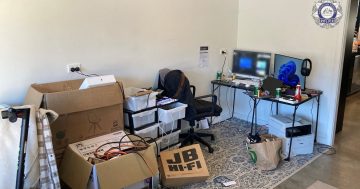
Scammers are stealing millions of dollars from Australians every year. Image: File.
Australian residents have lost more than $156 million to scammers in the first six months of this year.
In NSW alone, almost 28,000 scams have cost more than $56 million.
According to the National Anti-Scam Centre, buying and selling scams (which often involve online shops or marketplace buyers and sellers), had the highest number of reports to Scamwatch involving financial loss, with 7652 people reporting money stolen.
In the first half of 2026, online contact methods, including websites, social media and mobile apps, accounted for the highest reported losses to Scamwatch.
This is Scams Awareness Week – from 24 to 28 August – with the theme “no one’s just a number”, recognising that behind every scam statistic is a real person, family, business or community impacted by financial loss, identity theft or emotional distress.
According to NSW’s chief information and digital officer Laura Christie, scammers were becoming increasingly sophisticated, using fake websites, social media, text messages and online advertisements to target people.
“Whether you’re shopping online, responding to a text message or communicating through social media, it’s important to take a moment and verify who you’re dealing with,” she said.
“A few extra minutes spent checking can save thousands of dollars and prevent significant emotional and financial stress.
“Talking openly about scams helps break down stigma, raises awareness and makes it harder for scammers to succeed.”
ACCC deputy chair Catriona Lowe said being scammed was not a reflection of someone’s intelligence or judgement – “it reflects how sophisticated and manipulative these criminals have become”.
“This Scams Awareness Week, we want Australians to know that any of us can be scammed,” she said.
“Behind every reported loss is a person who has been harmed, whose life has been disrupted by criminals using pressure, impersonation, psychology and technology including AI to steal their money or identity.
“Scammers create situations that feel urgent, routine or emotionally compelling. It might be a slick professional looking website, an email that looks like it comes from a trusted service, a payment request that you’re expecting, a message from someone you care about, or a relationship that feels genuine.”
Scams Awareness Week is a national campaign dedicated to helping Australians recognise, avoid and report scams.
It urges people to take three steps when considering if something is a scam:
Stop
- Always take a moment before giving money or personal information to anyone
- Scammers will create a sense of urgency to pressure you into acting quickly. Don’t rush to make decisions about money or sharing personal details.
Check
- Make sure the person or organisation you’re dealing with is real
- Scammers pretend to be from organisations you know and trust. Always verify who you’re really dealing with before taking any action.
Protect
- Act quickly if something feels wrong
- The sooner you take action, the better you can protect yourself and others from scammers
- If you believe you’ve had sensitive information or money stolen by a scammer, report the scam to police and contact your bank immediately
- Report to Scamwatch even if you haven’t had money stolen.
“Taking a moment to stop, check and protect yourself every time you get a request for money or personal details is one of the best ways you can make it harder for scammers to succeed,” Ms Lowe said.
“But equally don’t blame yourself if scammers do deceive you – these criminals are experts and reporting is a great way to fight back.”
For more information on the types of scams and how to protect yourself, visit Scamwatch.