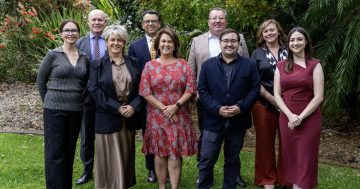
Wollongong and Kiama councils have been spared massive annual funding cuts after a proposed shake-up sparked a backlash across NSW. Photo: Kellie O’Brien.
Wollongong and Kiama councils have been spared millions in annual funding cuts after a controversial proposal to overhaul federal grants to NSW councils was abandoned.
The proposed changes would have stripped about $16 million a year from Wollongong City Council’s budget and slashed Kiama Municipal Council’s allocation by more than half.
However, following an outcry from councils across the state, the NSW Local Government Grants Commission (LGGC) has backed away from the proposed funding shake-up, much to the relief of both Illawarra councils.
Proposed changes to the Financial Assistance (FA) grant methodology was expected to leave almost half of all NSW councils receiving less from the annual untied federal funding from 1 July 2027.
FA grants help local councils deliver services to their communities, but the total grant pool has been steadily decreasing.
Wollongong Lord Mayor Tania Brown said that for the 2025-26 financial year, Wollongong received $23.8 million funding, with an anticipated $16 million per annum to be cut from its budget if the proposal had gone ahead.
“I’m so very pleased that the commission has heard feedback from councils like Wollongong who spoke loudly and clearly about our concerns about these proposed changes,’’ councillor Brown said.
“We said all along that we supported a review of the methodology for the allocation of funding, but any changes should not impact a council and community so profoundly.
“The $16 million reduction to council’s budget would have posed an ongoing risk to this organisation’s financial sustainability, our service delivery and our capacity to renew key infrastructure like roads, buildings and public pools that our community need.’’
Cr Brown spoke with the Premier Chris Minns about the proposal and expressed her “very serious concerns” about what it would mean for Wollongong residents.
“We have said all along that we supported more equitable distribution of funding to local government, but it should bolster all councils,” she said.
In a statement to council, the LGGC said it received 102 submissions from NSW councils about the draft model. Ten supported it, 54 raised significant concerns or proposed modifications, and 38 opposed.
“These numbers speak for themselves,” she said.
“There was a very short consultation window for this proposed methodology review and, of the 128 local governments in NSW, they received responses from 102 of them.
“Further, 72 per cent of the councils were against or concerned about the draft model. That’s resounding feedback in my book.’’
Cr Brown said while this was a positive step, council would also continue to advocate for an increase to the level of financial assistance to local government.
For Kiama Council, the news had come at a time when it was already working under the constraints of the NSW Government’s Varied Performance Improvement Order and battling to close its budget deficit by 2026-27.
Kiama’s annual allocation would have been slashed by more than half under the proposed methodology with funding reduced from $2.558 million to $1.062 million.
CEO Jane Frawley made a submission on behalf of Kiama Council to the LGGC, and wrote to the Premier and Local Government Minister Ron Hoenig to express concern.
Mayor Cameron McDonald said this was a great result for Kiama, council and ratepayers, who “would have borne the brunt of the funding cutbacks”.
“I was vocal in my criticism of the proposed changes recently. Our stance is clear – we don’t want to see any council go backwards,” councillor McDonald said.
“We didn’t think it was fair that the people of Kiama would have suffered a reduction in funds of more than 50 per cent and I’m pleased to see that our concerns have been heard.”
He thanked the NSW Government and LGGC for reconsidering the methodology which would not only have affected Kiama and Wollongong, but neighbouring areas in Shoalhaven and Wingecarribee.
“The Commonwealth Financial Assistance Grants funding system still needs further examination so that it can be more transparent and fairer in the future,” he said.